 author
A compatible toner cartridge should be approved for bulk procurement only after buyers verify three things: realistic yield under a defined coverage condition, stable operation in the intended equipment, and repeatable output across separate production batches. Price alone cannot reveal background gray, weak fixing, toner scattering, excess waste toner, or color drift. A disciplined sample test converts these risks into measurable purchasing criteria before inventory is committed.
For distributors, print-service providers, and large office-supply buyers, the objective is not to find the cheapest cartridge. It is to secure a product that delivers predictable usable pages, protects equipment, and remains consistent when replenishment orders arrive months later. ASC TONER supports this decision process through product matching, sample evaluation, controlled production, and technical response.
A low quotation can become expensive when a cartridge produces light pages, loose toner, repeated cleaning work, or premature replacement. Procurement teams should calculate cost per acceptable page rather than cost per unit, including reprints, maintenance labor, downtime, rejected inventory, and the stock required to cover inconsistent deliveries.
High yield toner can improve replacement intervals, but the label alone does not prove operating value. Buyers need the declared toner weight, stated coverage condition, applicable print mode, and the point at which the test is considered complete.
Physical fit is only the first level of compatibility. Toner charge, flowability, particle distribution, transfer behavior, and fixing response must work with the imaging and fusing conditions of the target equipment. A cartridge that installs correctly may still cause low density, background contamination, scattering, or poor adhesion during extended use.
When buyers review a compatible toner cartridge, ASC TONER can use these conditions to guide product matching and sample selection before a larger order is considered.
Page yield is commonly stated at a defined page coverage, often 5% for monochrome documents. This is a comparison condition, not a promise that every real document will reach the same number. Dense graphics, large filled areas, color documents, calibration cycles, cleaning cycles, and repeated short jobs can all increase toner consumption.
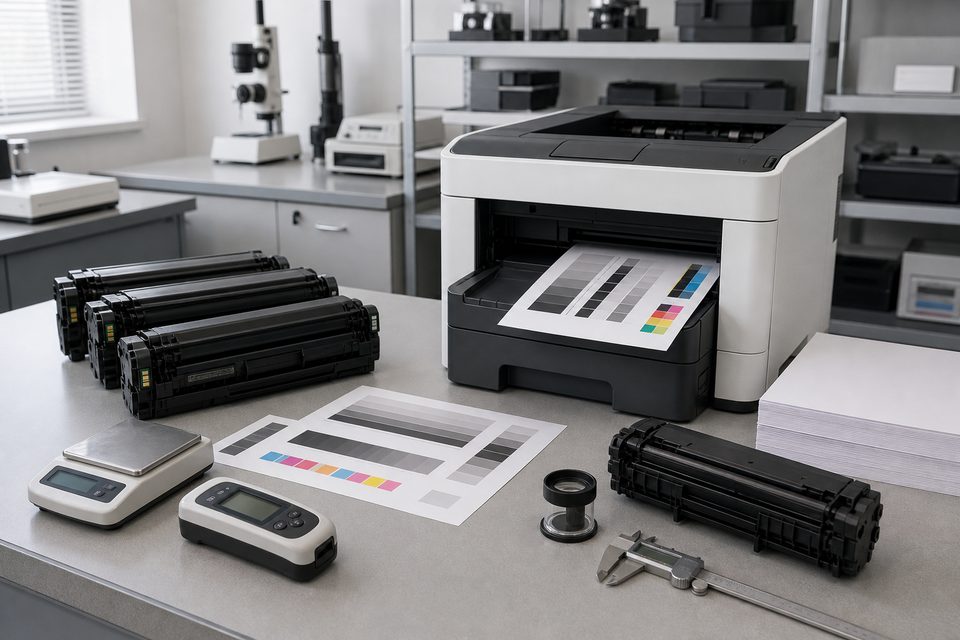
Buyers should request the exact basis behind a yield claim and reproduce it during sample evaluation. The test record should state paper size, coverage pattern, print mode, environmental conditions, cartridge toner weight, and the endpoint used to calculate yield. Without this context, two similar page-yield figures may describe very different tests.
A useful comparison keeps the equipment, paper, test file, environment, and stopping rule unchanged. Record total pages, acceptable pages, density change, visible defects, remaining toner, and waste-toner accumulation. The result should distinguish between a cartridge that simply keeps running and one that continues producing saleable or office-ready output.
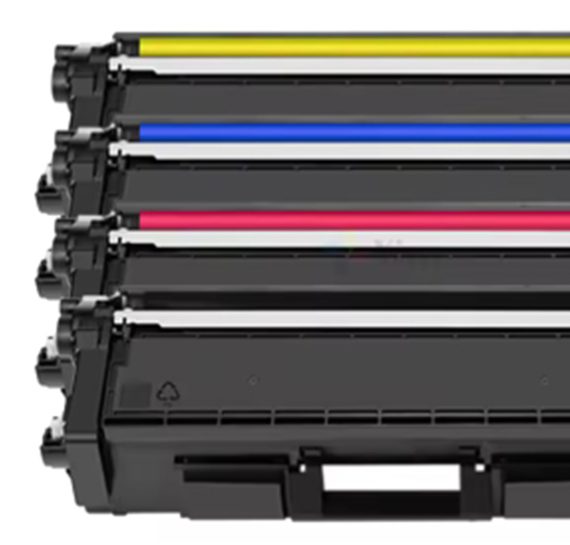
For color toner cartridge evaluation, review each color channel as well as composite images. Uneven depletion or a gradual shift in color balance can create rework before the cartridge reaches its nominal endpoint. Sample output should be retained so later batches can be checked against the same approved reference.
ASC TONER’s controls toner particle size at D50 = 5–10 μm, with a span below 1.3 and a particle-size distribution CV below 25%.
Particle consistency matters because an excessively broad distribution can affect charging, transfer, background cleanliness, and fixing. Flowability must also be balanced rather than maximized: toner needs to move reliably through the system without becoming so mobile that it scatters or contaminates internal components.
A sample review should include rub resistance after fixing, edge sharpness, background gray, density, gloss where relevant, and waste-toner behavior. For a copier toner cartridge used in sustained production, buyers should add a continuous-run segment instead of relying only on a small set of attractive sample pages.
ASC TONER records product qualities such as low waste toner, stable transfer, blackness, gloss, fixing strength, compatibility, and color stability as evaluation targets.
Ask the supplier to document the intended equipment, toner weight, yield basis, packaging configuration, and test conditions before issuing a quotation. Confirm whether technical staff reviews the application and whether samples are drawn from a representative process rather than prepared as special demonstration units.
ASC TONER provides product adaptation support and free sample testing for samples up to 10 kg. Buyers can use this stage to agree on a sealed reference, acceptance checks, and the escalation process that will apply to commercial shipments.
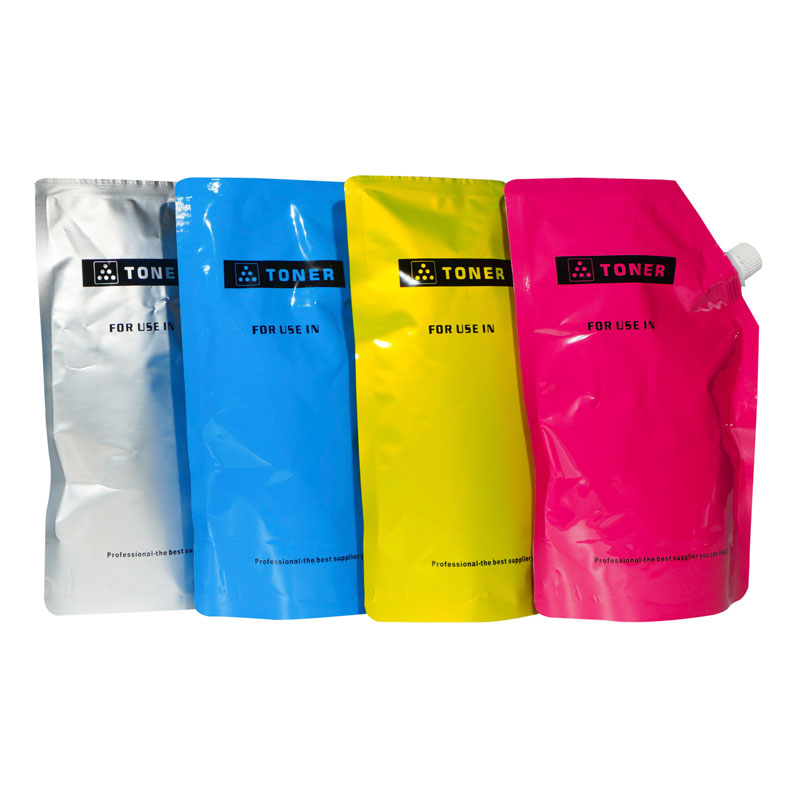
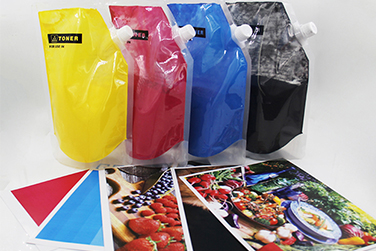
Packaging must protect powder and cartridge components during storage and transport while supporting the buyer’s channel requirements. Available ASC TONER options include bags, bottles, powder hoppers, and outer packaging in different specifications and colors. Exact quantities, lead times, and customization requirements should be confirmed in the quotation rather than assumed.
A qualified toner cartridge manufacturer should also explain traceability, batch identification, storage instructions, shipment inspection, and document control. These details matter when several product families are consolidated into one replenishment program.
General claims such as premium, high yield, or widely compatible are not enough for a purchase agreement. Translate them into measurable requirements, approved samples, defect definitions, reporting deadlines, and return or replacement terms. Both parties should know which evidence is required when a quality issue is reported.
ASC TONER states that product quality follows the sealed sample confirmed by both parties and that technical guidance is available when problems occur. Buyers should preserve shipment records, cartridge batch codes, equipment conditions, and defective print samples so the technical team can investigate efficiently.
ASC TONER combines automated toner production with particle-size analysis, charge measurement, color measurement, equipment testing, and high- and low-temperature evaluation. These resources are most valuable when they are connected to a buyer’s defined acceptance plan, not presented only as a list of factory capabilities.
High-capacity universal solutions can suit routine office output where cost control and stable document printing are the priorities. Application-specific toner is more appropriate when color reproduction, gloss, fixing behavior, or sustained copier output has tighter requirements. The right choice depends on the cost of failure as much as the cartridge price.
Buyers ready to compare samples can request a tailored evaluation from ASC TONER and provide their equipment, workload, paper, and output requirements. A clear application brief allows the supplier to recommend a more relevant test path.
Compatible toner cartridge procurement is a verification process, not a price-only transaction. Buyers should compare yield under common conditions, confirm compatibility in the intended equipment, test fixing and waste-toner behavior, and review at least two production batches before scaling the order.
ASC TONER can support this process with product matching, sample evaluation, automated production controls, testing resources, packaging options, and technical response. The strongest purchasing decision is the one supported by an approved reference, measurable acceptance limits, traceable batches, and written after-sales terms.
A: Use the intended equipment, paper, print mode, and workload pattern. Record acceptable yield, density, background cleanliness, fixing strength, leakage, waste toner, and equipment contamination. Test more than one production batch, retain printed control pages, and approve a sealed reference sample before converting the trial into a commercial order.
A: Five percent coverage is a standardized comparison condition in which toner marks a limited portion of the page. It does not represent every business document. Graphics, photographs, bold layouts, calibration, cleaning cycles, and frequent short jobs can consume more toner, so buyers should compare cartridges using the same file and test conditions.
A: Variation can begin with raw materials, mixing conditions, particle-size distribution, additive dosage, charging behavior, or packaging and storage. Automated controls reduce these risks, but repeat testing remains important. Buyers should compare separate batches against an approved sample and document density, fixing, background, color balance, and yield tolerances.
A: Ask for product-matching criteria, sample policy, yield-test conditions, batch controls, traceability, packaging choices, customization scope, storage guidance, and written quality terms. Confirm how an approved sample is transferred into production and what evidence is required for returns or replacements. MOQ, lead time, and pricing should be confirmed in the quotation.