 author
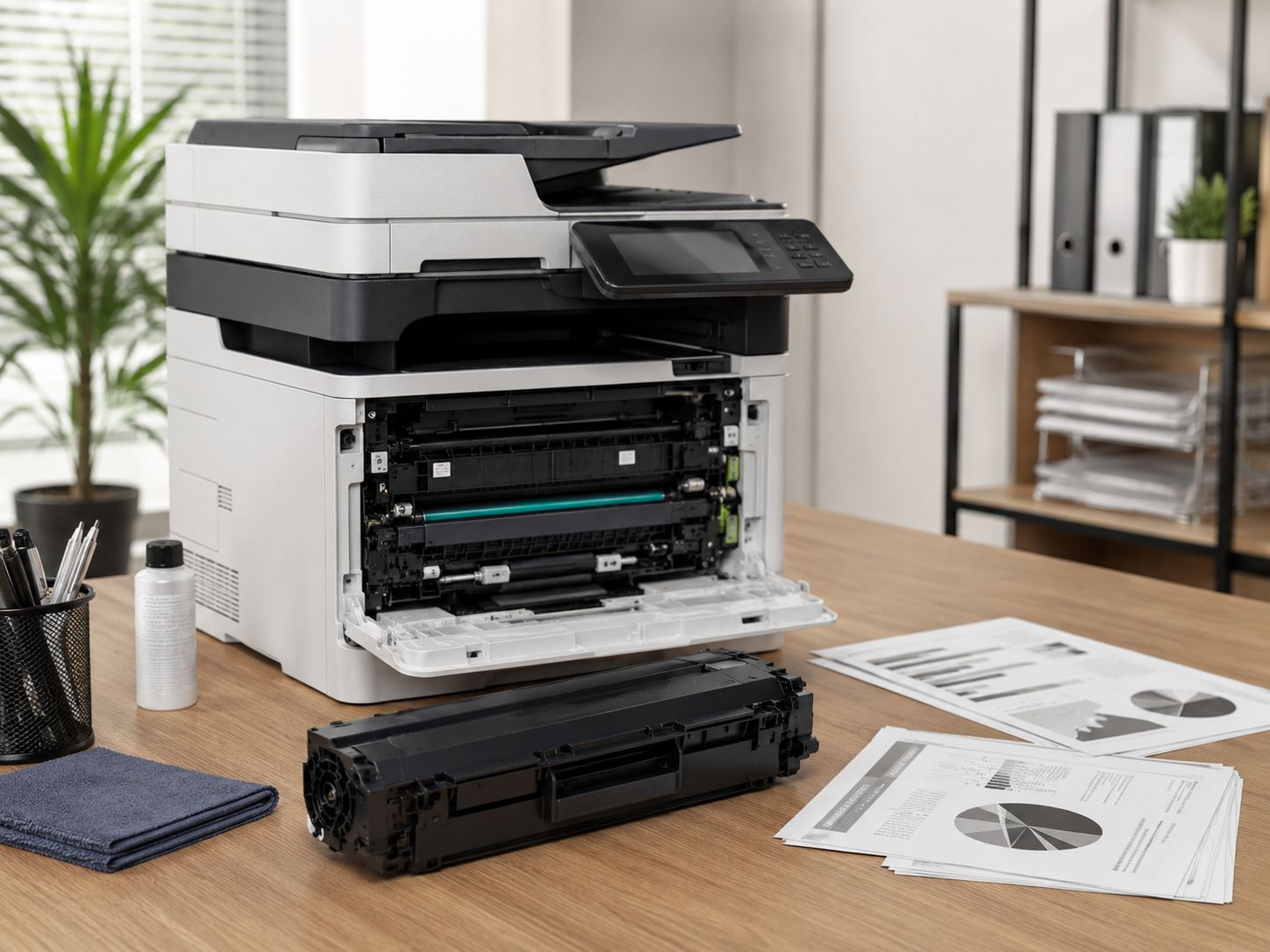
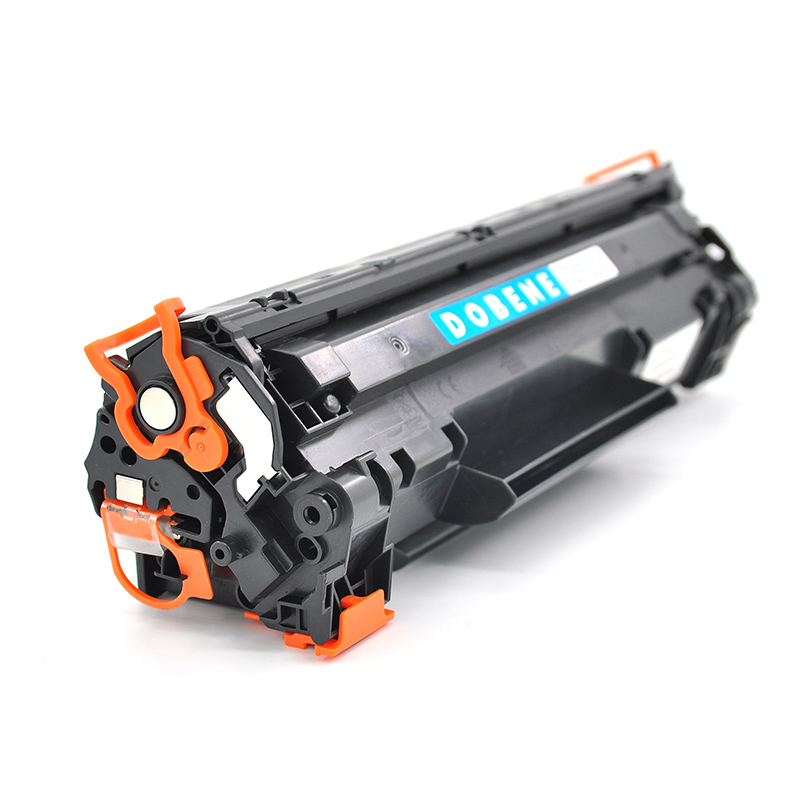
Maintaining top performance in office imaging equipment needs more than a high-end copier. It also calls for a clear grasp of the supplies that keep the process running. For many offices, the condition of a copier toner cartridge often gets little attention until print quality drops or hardware problems appear.
To stop damage before it starts, you need to know the main factors that affect toner quality. Toner is a careful mix of resins, pigments, and other materials. It is made to melt at set temperatures and to hold exact static charges. When these features are harmed, the imaging unit often suffers.
Temperature and moisture do the most harm to toner. High humidity lets toner particles take in water. This causes clumping and cuts the powder’s ability to flow. As a result, the toner does not spread evenly on the magnetic roller. Prints may come out light or uneven in density.
Too much heat is just as harmful. If copy machine toner cartridges sit near heat sources or in rooms without climate control, the resin inside can soften and stick together. This “caking” turns fine powder into a solid block. The cartridge becomes useless and may also harm the copier’s drive gears. ASC keeps its products stable by holding tight control over mixing temperature and pressure during production.
High-volume users often face “flying powder,” or toner scatter. This happens when toner builds up on the blade area of the developing unit’s magnetic roller.
Tests showed that changing particle size spread and lowering excess flow can reduce the problem. ASC improved particle flow with better post-additive steps. Its copier toner cartridge now reaches a transfer rate above 80 percent. More toner lands on the paper instead of becoming waste inside the machine.
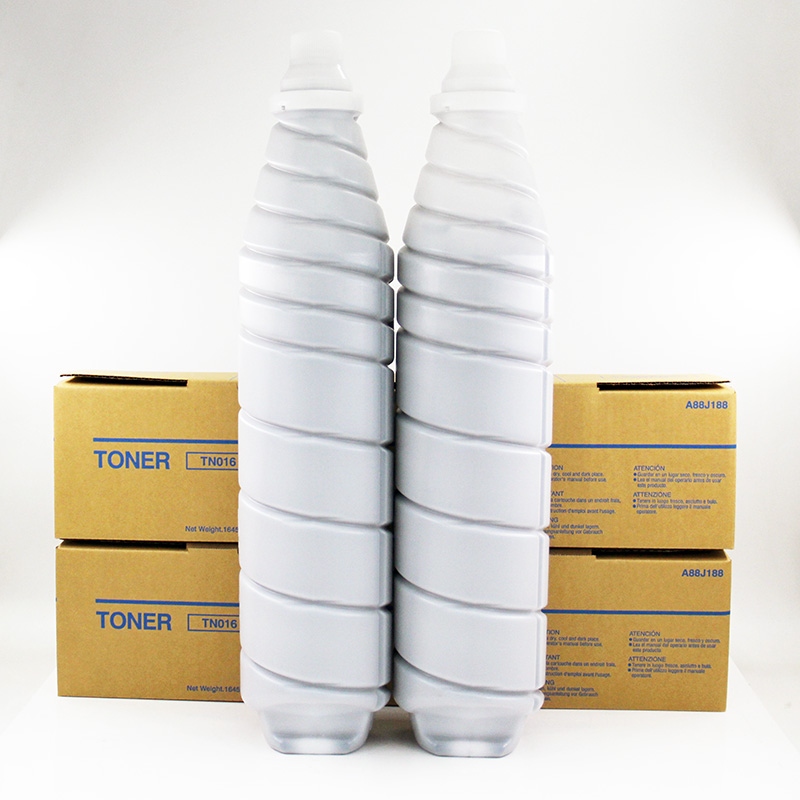
A good copier toner cartridge usually lasts about 1.5 years on the shelf. This time holds only if the product stays in a dry, dark spot. Direct light, especially UV rays, can break down pigments and create local heat that softens the resin.
ASC items, such as the T-5070C series for Toshiba or the NPG-45 for Canon, keep batch quality steady over long periods. A Nanjing service firm worked with ASC and found that proper storage gave a steady blackness value of 1.45 across three batches in a row.
The best storage area should stay climate-controlled. This stops “background graying” that occurs when toner loses its charge due to changing conditions. ASC suggests the following steps for best results:
A gentle side-to-side turn can loosen toner that settled during shipping. Violent shaking, however, is not advised. Modern toner is ground to very fine sizes. ASC holds particle size (D50) between 5 and 10 micrometers, with a span under 1.3.
This tight air classification gives sharp contrast and fine detail in ASC’s high-speed copier products. Hard shaking can upset the inner additive mix and harm the seals that stop leaks. Large-capacity models like the Ricoh 6210D, rated for up to 40,000 pages, need perfect internal alignment to reach those yields.
Compatibility covers more than physical fit. It also includes electrical and chemical match with the copier. Every ASC copier toner cartridge passes a full 100 percent check before it leaves the plant. The check covers image density, background levels, and fusing strength.
Before you install, take these steps:
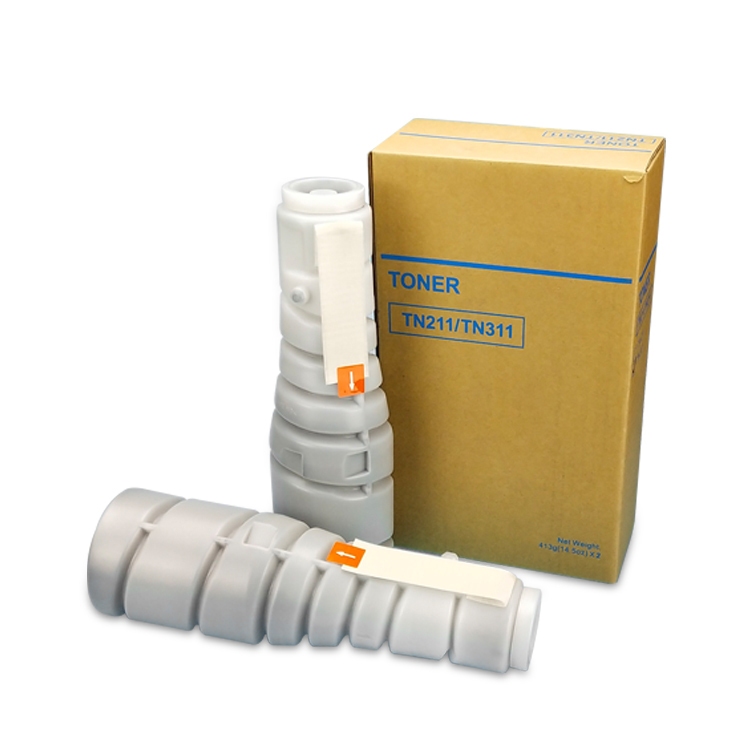
A top manufacturer needs its own research and development team to handle tough imaging issues. ASC puts 2 percent of yearly sales back into research. This work led to the 2009 invention patent for “Dry Physical Color Toner.”
The same know-how helped an Egyptian wholesaler cut buying costs by 15 percent and cut after-sales complaints by 60 percent. ASC supplied a single-source answer across 86 product types. These gains came from a closed quality loop that checks raw materials from partners such as Bayer and Evonik, right through to the final printed samples.
Physical harm during shipping is a common reason for failure. A reliable copier toner cartridge manufacturer must offer packaging that stands up to long international trips. ASC sits in the Beijing-Tianjin-Hebei economic zone and uses its nearness to Tianjin New Port and Huanghua Port for fast logistics.
For markets in Africa, the Americas, and Southeast Asia, ASC uses strong outer boxes and handles all export papers. This care keeps copy machine toner cartridges free from vibration damage and drum scratches that often hit lower-grade products.
Protecting your imaging gear takes both technical know-how and steady storage habits. By learning how humidity, temperature, and particle size affect toner, businesses can get the full 1.5-year life from their supplies. As a leading copier toner cartridge manufacturer, ASC keeps working on research and custom answers that remove common problems such as flying powder and batch variation. In the end, copier toner cartridge quality supports daily office output and the professional look of every printed page.
Contact us to never miss a deal again and optimize your printing solutions today.
A: High humidity makes toner particles absorb water and form clumps. This hurts flow and charge balance. A copier toner cartridge manufacturer like ASC stresses dry storage so the toner stays free-flowing. The result is steady print quality and less risk of clumping that can harm the developing unit.
A: Extra heat can soften the resins inside the toner. The powder then sticks together and forms a solid mass, called “caking.” To avoid this, copy machine toner cartridges should stay away from heat sources and direct sun. This keeps the chemical makeup of the toner intact.
A: Look for “flying powder” inside the machine, gray backgrounds on prints, ghost images, or toner that rubs off the paper. If these appear, talk with your copier toner cartridge manufacturer to find out whether poor storage or environment caused the issue.
A: Under the right conditions—dry, dark storage in the original sealed pack—an ASC copier toner cartridge keeps its quality for about 1.5 years. Following these rules helps the toner hold its high blackness and stable color accuracy during storage.