 author
Business printing looks simple until hidden costs begin to affect daily operations. Slow output, uneven text density, cartridge replacement, background gray, toner leakage, and unexpected downtime can turn routine document production into a cost center. The real question is not whether ink or printer toner is cheaper at purchase. The better question is which consumable supports the workload, quality standard, maintenance rhythm, and long-term efficiency of a business environment.
Printer toner is especially relevant for offices built around contracts, invoices, reports, forms, training materials, warehouse documents, and client-facing files. Ink still has value for certain color-rich and low-volume tasks, but high-frequency business printing usually requires stronger page yield, cleaner transfer, faster output, and more stable fixing. That is where product engineering, not only the cartridge price, becomes the deciding factor.
Inkjet printing can fit light workloads, image-heavy files, or occasional color documents. The challenge appears when office printing becomes repetitive. Liquid ink can create concerns around drying, clogging, smudging, and frequent replacement when the printer sits idle or runs beyond a light-duty pattern.
For a business user, these issues affect more than print appearance. A blocked nozzle can delay a proposal. A faded page can weaken a client presentation. A small-capacity cartridge can interrupt team output during a busy workday.
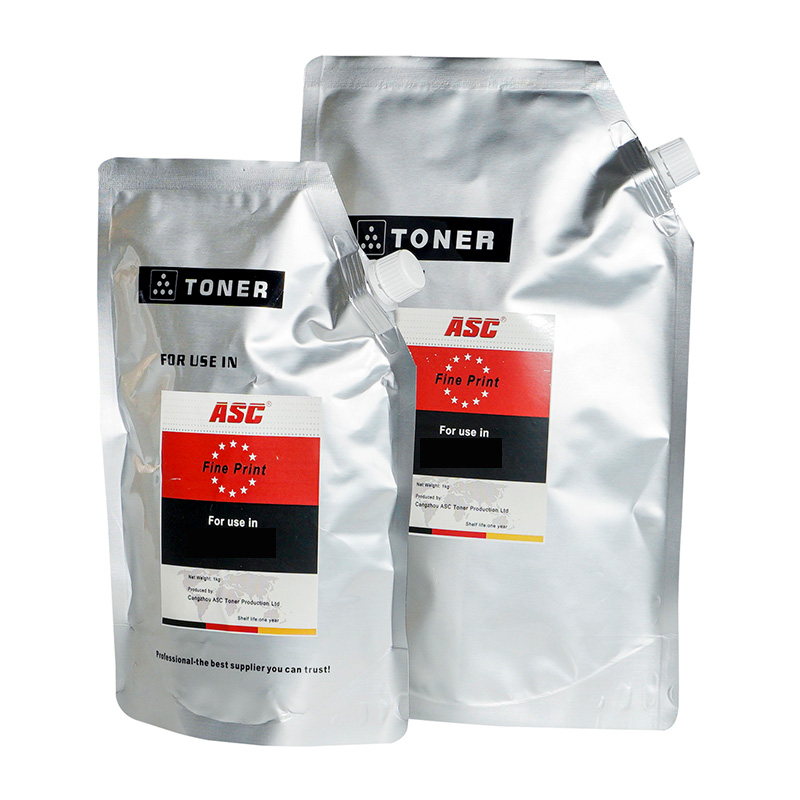
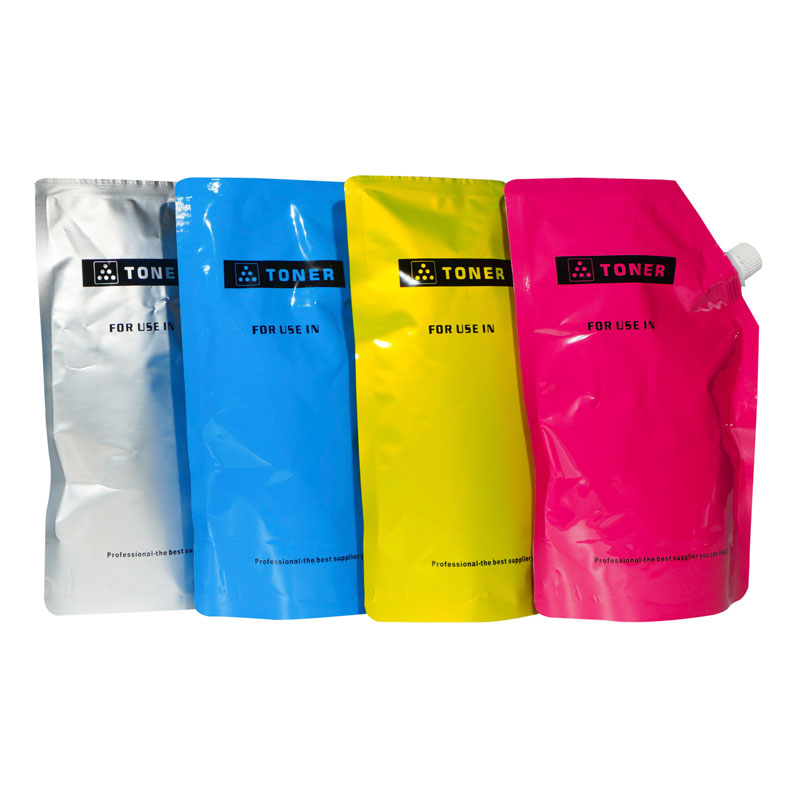
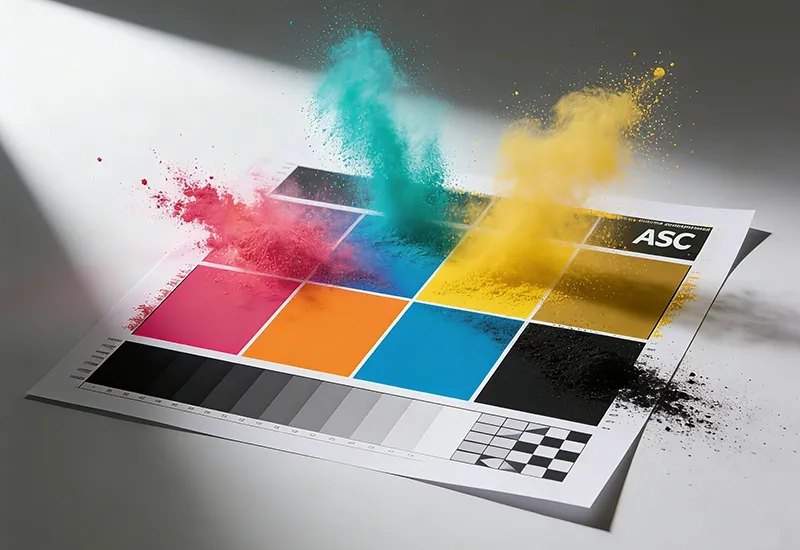
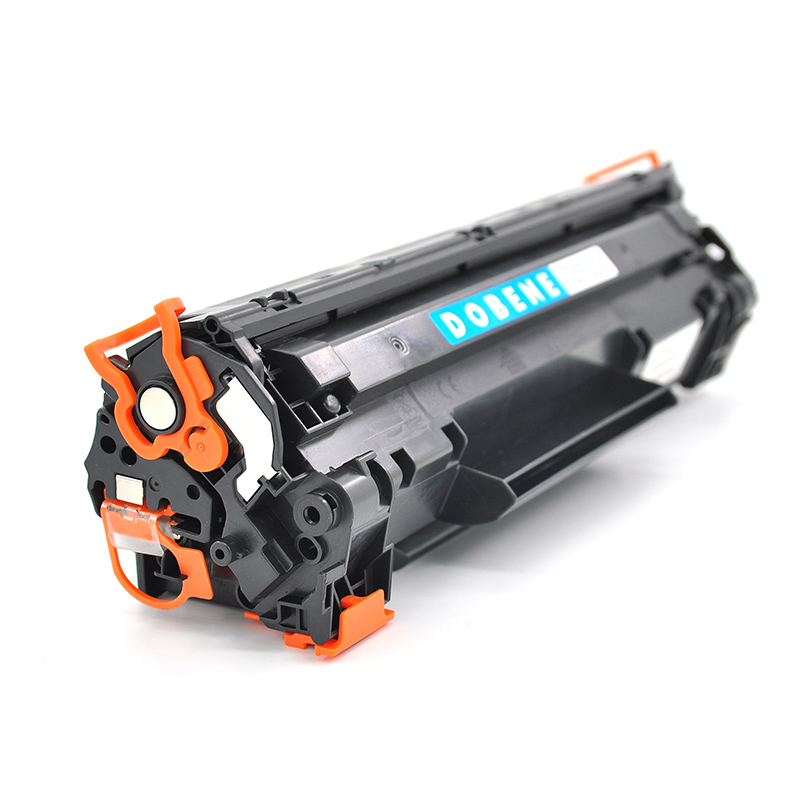
Printer toner is a dry powder designed for laser printing and copier systems. Instead of soaking into paper like liquid ink, toner particles are transferred and fused onto the page. This process supports sharp text, strong blackness, clear edges, and cleaner high-volume document output.
ASC toner production focuses on this technical foundation. The manufacturing process uses batching, mixing, crushing, grading, adding, and packaging under automated control. Particle size control is especially important because uneven particles can affect density, background, transfer, and fixing.
Many businesses compare only cartridge prices. This approach misses the larger cost equation. A more accurate view includes cost per page, replacement frequency, maintenance labor, wasted consumables, and printer downtime.
Printer toner usually supports better cost control in high-volume environments because one cartridge can produce more pages before replacement.
Page yield affects office productivity directly. High-capacity printer toner reduces:
replacement interruptions
emergency purchasing
spare inventory pressure
inconsistent supply planning
Service calls caused by poor consumable matching
A low-priced consumable can become expensive if background gray, leakage, weak fixing, or poor compatibility causes reprinting. In business printing, one failed batch can waste paper, time, and team focus.
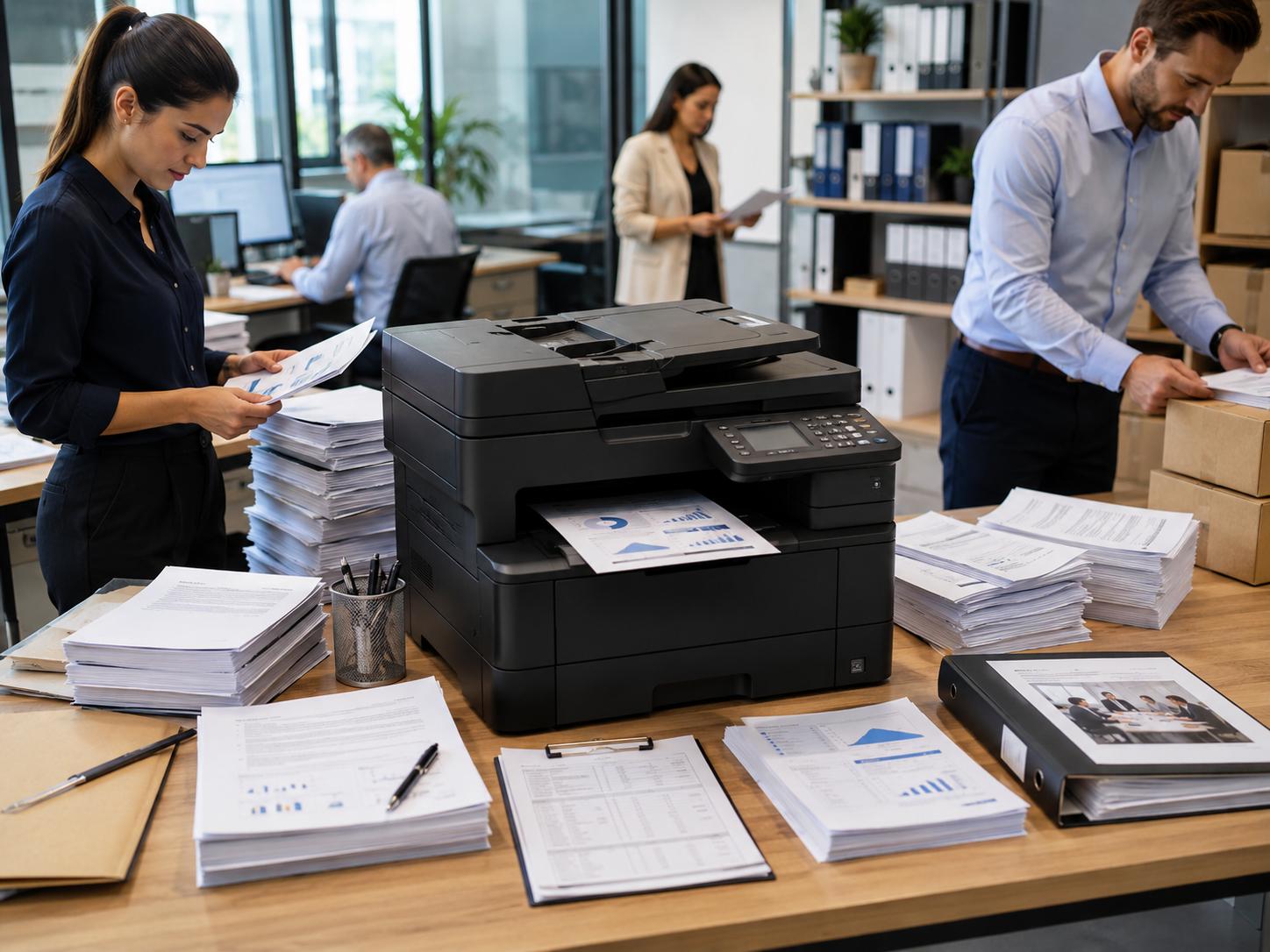
Offices rarely print only one type of document. Common workloads include invoices, delivery notes, training files, contracts, price sheets, shipping forms, and internal reports. These files demand clear text, stable density, and predictable output.
Printer toner supports this environment because laser printing can handle repeated document output with less interruption. For departments with daily printing routines, the value appears in fewer pauses and fewer quality complaints.
Print speed matters when several employees share one device. A finance team waiting for invoice batches, a warehouse team preparing labels, or an administrative team producing onboarding packets all need stable output.
Printer toner is not only about speed. The right toner formulation can support cleaner transfer and stronger fixing, which reduces reprints and keeps document flow moving.
Business printing can happen in different climates, temperatures, and humidity levels. ASC operates testing processes that include particle size analysis, charge testing, color measurement, and high/low temperature evaluation. This matters because toner behavior can change when storage, shipping, or operating conditions vary.
A stable toner formulation helps reduce common problems such as background gray, uneven density, color difference, toner scattering, and weak fixing.
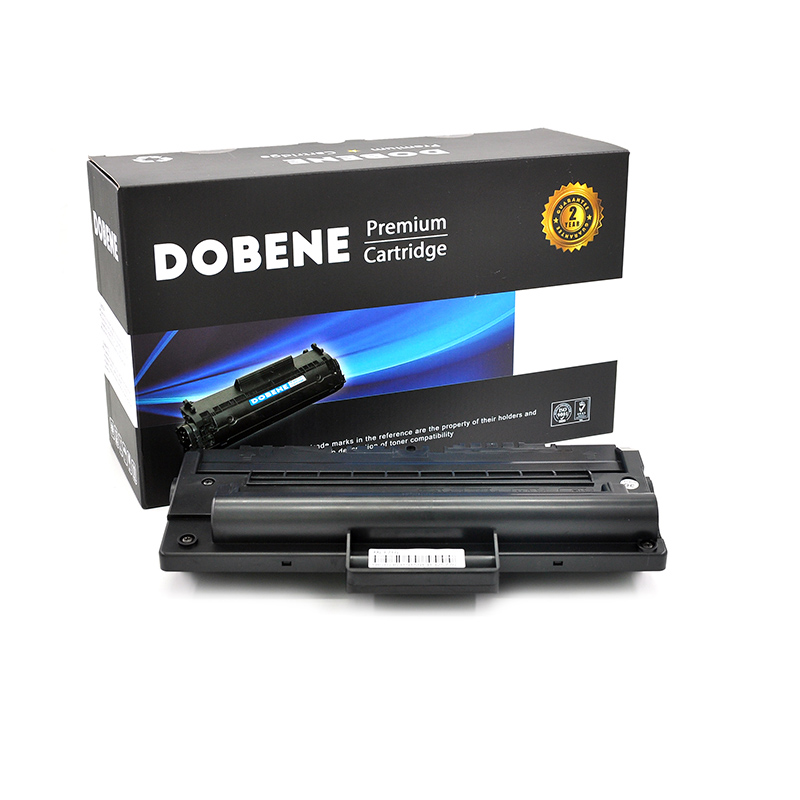
Original toner often sets a reference point for print quality and equipment matching. Business buyers use original toner when brand consistency, warranty considerations, and predictable output matter more than the lowest consumable cost.
For customer-facing documents, quality issues can influence brand image. A proposal with light text, gray background, or weak graphics looks less professional. In that situation, the original toner can function as a safe baseline.
Client-facing materials require more than readable text. A professional document should show consistent blackness, clear graphics, clean margins, and firm fixing. Color materials need accurate color, layering, and gloss control.
ASC product advantages include low waste toner, high transfer rate, high blackness and gloss, strong fixing, strong compatibility, and stable color. These details connect directly with business document quality.
Printer toner fits offices that print daily reports, invoices, records, forms, and contracts. These tasks depend on crisp text and stable volume rather than photo-style ink coverage.
For monthly volume above a light-duty level, toner-based output often becomes easier to manage because replacement cycles are longer and output is more predictable.
Commercial print rooms, service counters, logistics desks, and administrative centers need stable consumables. A printer failure during a peak period can delay customer service or shipment processing.
ASC product positioning covers home offices, small businesses, and large commercial printing. This range matters because different environments need different capacities, packaging, and delivery planning.
A hybrid setup can also make sense. Inkjet equipment may support occasional creative color work, while laser devices with printer toner handle routine documents. This division helps control cost while preserving output flexibility.
A printer toner supplier should provide more than product availability. A supplier must support consistency across batches, models, and replenishment cycles. Business users need the same print density and fixing performance from one order to the next.
A reliable printer toner supplier should offer: model matching support, sample testing, batch control, stable packaging, technical guidance, quality dispute handling, and long-term supply planning.
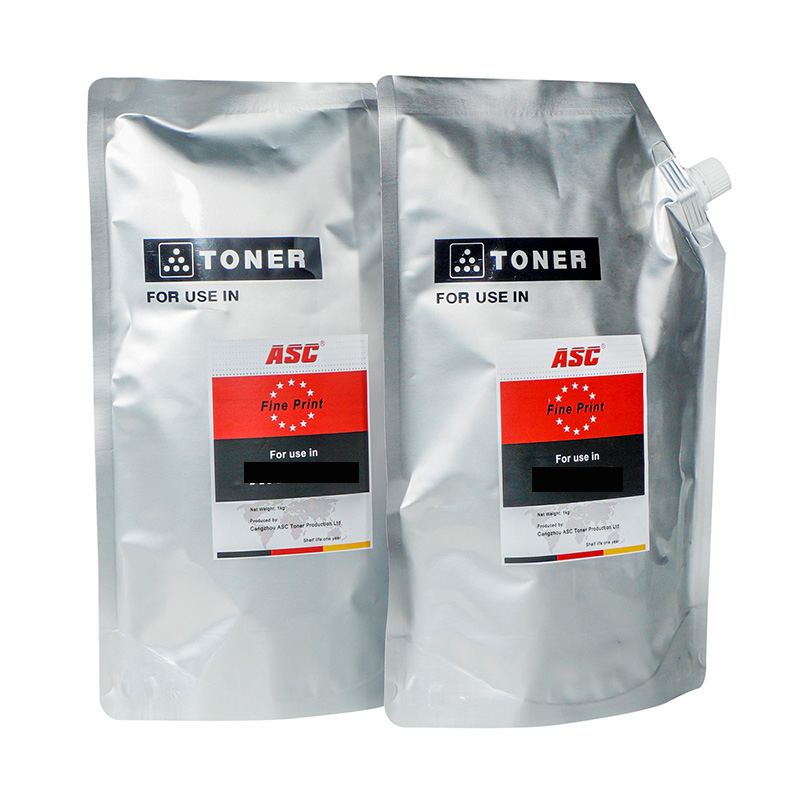
Bulk purchasing reduces unit cost, but only when delivery remains stable. ASC has automated production capacity and an ERP-controlled supply chain, which supports procurement, inventory, and production planning.
For high-volume offices, the best supplier relationship prevents stockouts before printing stops.
A complete purchase review should include a sample policy, warranty period, delivery time, return policy, and technical support. The cheapest quote is not always the lowest operating cost.
Ink vs. printer toner is not a simple product comparison. It is a business efficiency decision. Ink can serve low-volume and creative color needs, while printer toner better supports high-volume documents, sharper text, cleaner output, stronger yield, and more predictable cost control.
For business buyers, the right choice is the consumable strategy that keeps documents moving, protects equipment, reduces cost per page, and supports professional output every working day.
ASC combines manufacturing experience, automated production, testing equipment, technical service, and real case-based product improvement. For businesses seeking a printer toner supplier, this combination supports both product quality and operational continuity.
Raise daily output and guard your printers. Reach the ASC team now for a tailored quote and see the difference steady production brings.
A: Printer toner is usually more suitable for high-volume business documents because toner-based output supports fast printing, sharp text, strong page yield, and cleaner long-run performance. Ink can still fit low-volume color tasks, but routine office printing often benefits from toner stability.
A: A printer toner supplier should provide compatibility guidance, sample testing, batch quality control, delivery planning, after-sales support, and clear return or exchange terms. Bulk purchasing works best when supply stability and product consistency are confirmed first.
A: ASC-compatible replacement solutions are designed to protect print quality through particle control, transfer efficiency, fixing strength, and compatibility testing. For critical documents, buyers can compare sample output against the original toner before large-scale adoption.