 ผู้เขียน

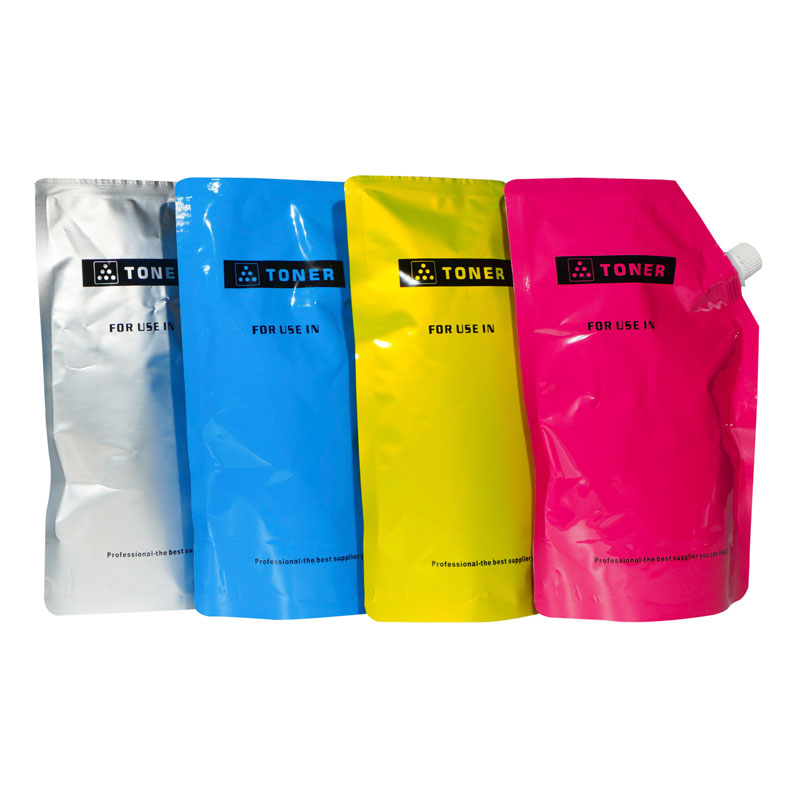
ผู้ผลิตผงหมึกที่ใช้งานร่วมกันได้จะได้รับความไว้วางใจเมื่อผงหมึกนั้นทำงานได้อย่างสม่ำเสมอในเครื่องพิมพ์ ไม่ใช่แค่บนหน้าตัวอย่างเท่านั้น พันธมิตรที่เหมาะสมจะควบคุมขนาดอนุภาค ประจุ การไหล การยึดเกาะ และความเสถียรของล็อต เพื่อให้ผงหมึกเดียวกันพิมพ์ได้อย่างสะอาดหมดจดในการใช้งานซ้ำๆ สำหรับผู้ซื้อที่กำลังเปรียบเทียบผงหมึกที่ใช้งานร่วมกันได้ ตลับหมึกเครื่องถ่ายเอกสาร และโปรแกรมตลับหมึกเครื่องพิมพ์ โทนเนอร์ ASC บริษัทนี้น่าสนใจเพราะผลิตผงดินปืนและกระสุนสำเร็จรูปโดยใช้หลักการผลิตเดียวกัน
เรื่องนี้สำคัญในกลุ่มอุปกรณ์ที่หลากหลาย เพราะเครื่องพิมพ์สำนักงานและเครื่องถ่ายเอกสารความเร็วปานกลางถึงสูงอาจมีปฏิกิริยาแตกต่างกันต่อสูตรหมึกเดียวกัน โปรแกรมการจัดหาหมึกอย่างสม่ำเสมอไม่ได้เน้นแค่ตัวเลขปริมาณการใช้หมึกเพียงอย่างเดียว แต่สำคัญกว่าคือหมึกยังคงรักษาความหนาแน่น ความสะอาดของพื้นหลัง และความสามารถในการยึดเกาะภายใต้สภาวะการใช้งานจริงได้หรือไม่
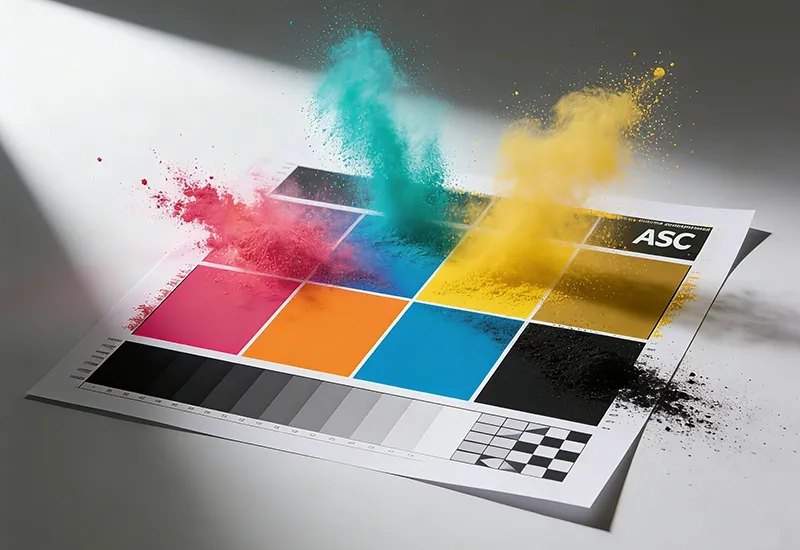
ขนาดอนุภาคและประจุเป็นสิ่งแรกที่แยกแยะผงหมึกที่มีความเสถียรออกจากผงหมึกที่ไม่สามารถคาดเดาได้ หากอนุภาคไม่สม่ำเสมอมากเกินไป การควบคุมภาพจะทำได้ยากขึ้น พื้นหลังจะดูไม่คมชัด และหน้ากระดาษอาจดูบางกว่าที่ควรจะเป็น ผู้ผลิตผงหมึกคุณภาพดีจะควบคุมพฤติกรรมของอนุภาคให้แคบพอสำหรับการพิมพ์งานในสำนักงานที่ได้ผลลัพธ์ที่สม่ำเสมอ
วัสดุ ASC TONER ชี้ให้เห็นถึงการควบคุมดังกล่าวในทางปฏิบัติ โดยมีการจัดการขนาดอนุภาคที่อธิบายไว้ว่า D50 อยู่ที่ 5-10 µm, ช่วงการกระจายตัวต่ำกว่า 1.3 และค่าสัมประสิทธิ์ความแปรปรวน (CV) ต่ำกว่า 25% ตัวเลขเหล่านี้มีความสำคัญเพราะบ่งชี้ถึงการกระจายตัวที่แน่นขึ้น ซึ่งโดยทั่วไปจะช่วยให้ผงเคลื่อนที่และถ่ายโอนได้โดยมีการเบี่ยงเบนน้อยลงจากชุดการผลิตหนึ่งไปยังอีกชุดหนึ่ง
กระบวนการตรึงหมึกคือการเปลี่ยนผงหมึกให้กลายเป็นงานพิมพ์ที่คงทนต่อการสัมผัส เมื่อความร้อนและแรงดันทำงานร่วมกันอย่างเหมาะสม หมึกพิมพ์จะยึดติดกับกระดาษโดยไม่เลอะ ไม่หมอง หรือหลุดร่วง นั่นเป็นเหตุผลที่ผู้ซื้อให้ความสำคัญมากกว่าแค่ปริมาณงานพิมพ์ที่ได้ พวกเขาใส่ใจว่าหน้ากระดาษที่พิมพ์เสร็จแล้วยังคงคมชัดอยู่หรือไม่หลังจากที่กระดาษออกจากเครื่องพิมพ์
ความสะอาดของพื้นผิวเป็นอีกครึ่งหนึ่งของเรื่องราว สูตรการพิมพ์ที่ทำให้พื้นหลังเป็นสีเทาหรือมีฝุ่นฟุ้งกระจายรอบตัวอักษร อาจจะยังพิมพ์ได้ แต่จะไม่ให้ความรู้สึกน่าเชื่อถือในการใช้งานประจำวัน สูตรที่ดีที่สุดจะทำให้บริเวณที่ไม่ใช่รูปภาพเรียบเนียน เพื่อให้หน้ากระดาษอ่านได้อย่างสะอาดตา ไม่ใช่แค่สมบูรณ์เท่านั้น
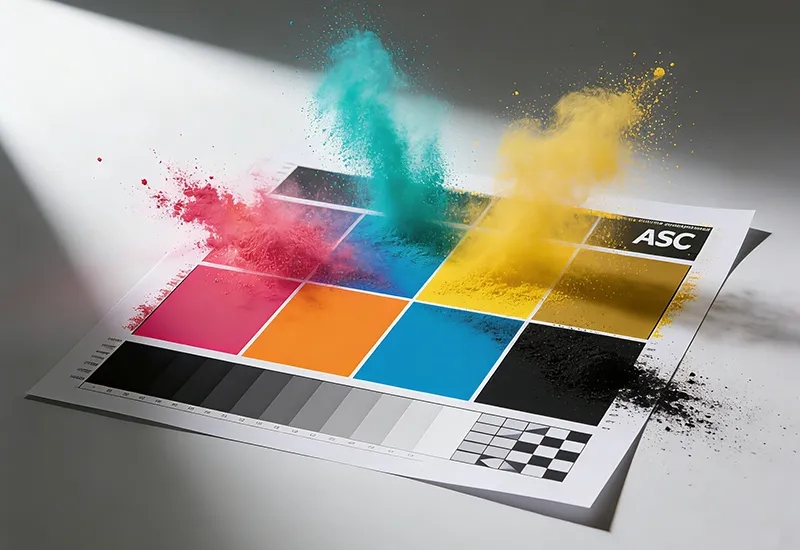
ตัวอย่างที่ดูดีเพียงตัวอย่างเดียวไม่ได้พิสูจน์ว่าโปรแกรมหมึกพิมพ์มีความเสถียร ผู้ใช้งานจริงพิมพ์งานในสภาพแวดล้อมการทำงานที่แตกต่างกัน ระดับความชื้น กระดาษชนิดต่างๆ และสถานะเครื่องพิมพ์ที่แตกต่างกัน ดังนั้นสูตรหมึกพิมพ์จึงต้องมีพฤติกรรมใกล้เคียงกันทุกครั้ง นั่นเป็นเหตุผลว่าทำไมความสม่ำเสมอของชุดการผลิตจึงมีความสำคัญมากกว่าหน้ากระดาษเพียงหน้าเดียวที่ดูสมบูรณ์แบบเมื่อมองเพียงลำพัง
โปรแกรมการผลิตที่มีประสิทธิภาพสูงสุดจะมองการทดสอบเป็นสะพานเชื่อมระหว่างเคมีและการใช้งาน เครื่องวิเคราะห์อนุภาค เครื่องวัดประจุ การวัดสี การทดสอบกับเครื่องพิมพ์และเครื่องถ่ายเอกสาร และการทดสอบอุณหภูมิ ล้วนช่วยแสดงให้เห็นว่าผงนั้นพร้อมสำหรับการใช้งานจริงหรือไม่ ไม่ใช่แค่สำหรับการใช้งานในห้องสาธิตเท่านั้น
ระบบอัตโนมัติไม่ได้ทำให้ผงหมึกดีขึ้นด้วยตัวมันเอง แต่ช่วยป้องกันไม่ให้ส่วนประกอบที่ดีปะปนกัน การผสม การบด การคัดแยก การเติม และการบรรจุ ล้วนได้ประโยชน์เมื่อกระบวนการถูกควบคุมแทนที่จะเป็นการทำแบบสุ่มสี่สุ่มห้า ซึ่งจะช่วยลดความแปรปรวนจากมนุษย์ ทำให้ส่วนผสมมีความสม่ำเสมอมากขึ้น และทำให้ผลลัพธ์การพิมพ์ในภายหลังน่าเชื่อถือยิ่งขึ้น
เอกสารการผลิตของ ASC TONER เน้นย้ำถึงลักษณะการไหลแบบนั้น ซึ่งเป็นสิ่งที่ผู้ซื้อต้องการอย่างแท้จริงเมื่อเปรียบเทียบผงหมึกแบบขายส่งกับตลับหมึกสำเร็จรูป เป้าหมายไม่ใช่แค่ทำให้ผลิตภัณฑ์เร็วขึ้น แต่เป้าหมายคือการทำให้การผลิตทุกครั้งมีคุณภาพสม่ำเสมอเหมือนกันทุกครั้ง
การจัดการเครื่องพิมพ์แบบผสมผสานทำให้โปรแกรมหมึกพิมพ์หลายๆ โปรแกรมยุ่งยากขึ้น ผู้ซื้ออาจต้องการผงหมึกจำนวนมากสำหรับช่องทางหนึ่ง ตลับหมึกสำเร็จรูปสำหรับอีกช่องทางหนึ่ง และต้องการความเข้ากันได้ที่สม่ำเสมอระหว่างอุปกรณ์ของ Canon, Ricoh, Toshiba, Konica Minolta, HP, Brother, Samsung และ Lexmark ผู้จำหน่ายที่ครอบคลุมทั้งผงหมึกและตลับหมึกสำเร็จรูปจะช่วยลดความซับซ้อนของรูปแบบดังกล่าวโดยไม่ต้องบังคับให้ทุกกรณีการใช้งานต้องใช้รุ่นใดรุ่นหนึ่งเท่านั้น
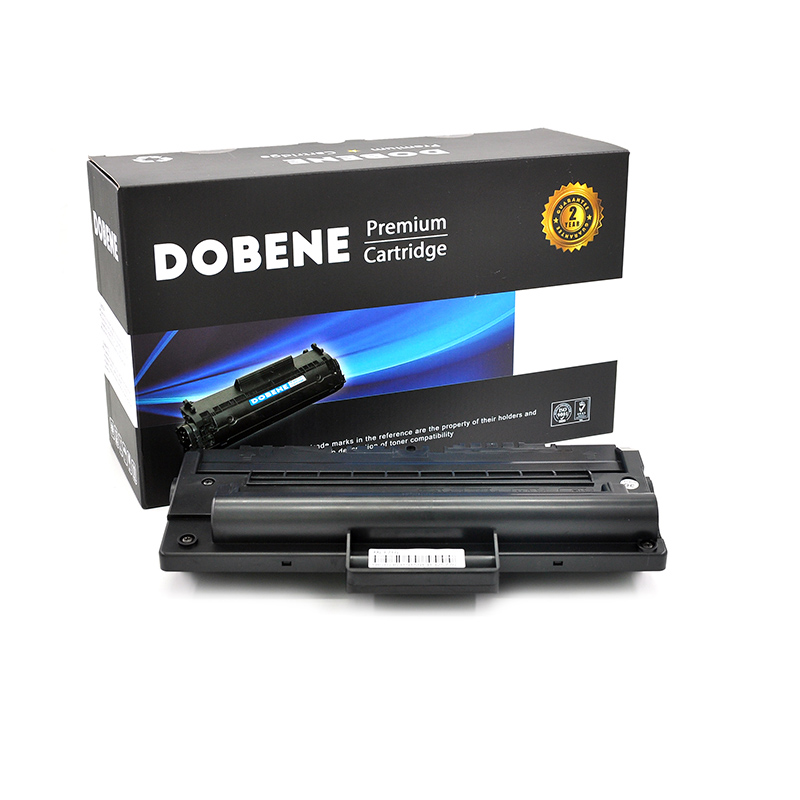
นั่นเป็นเหตุผลหนึ่งที่ทำให้ ASC TONER มีความสำคัญในบทสนทนาเกี่ยวกับการจัดหาผลิตภัณฑ์ กลุ่มผลิตภัณฑ์ตลับหมึกสำหรับเครื่องถ่ายเอกสารของ ASC TONER มีความหลากหลายเพียงพอที่จะรองรับเครื่องสำนักงานที่ต้องการตัวเลือกการเปลี่ยนที่เชื่อถือได้ ในขณะที่ผลิตภัณฑ์ผงหมึกนั้นยึดหลักการผลิตที่เน้นคุณภาพการพิมพ์มากกว่าบรรจุภัณฑ์เพียงอย่างเดียว
ดู กลุ่มผลิตภัณฑ์ตลับหมึกเครื่องถ่ายเอกสาร สำหรับกลุ่มผลิตภัณฑ์ที่เชื่อมโยงการอภิปรายนี้กับการใช้งานเครื่องถ่ายเอกสารจริง
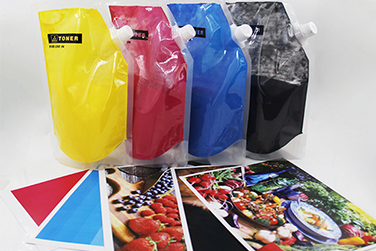
หมึกสีมีจุดรับแรงกดที่แตกต่างออกไป มันต้องรักษาโทนสี ความสว่าง และความคงทนของสีโดยไม่ทำให้หน้ากระดาษดูมัวหรือสีไม่คงที่ สิ่งนี้สำคัญอย่างยิ่งในเอกสารทางการค้า งานนำเสนอ และงานพิมพ์สำนักงานที่มีตราสินค้า เพราะหน้าแรกจะมีประโยชน์ก็ต่อเมื่อหน้าถัดไป (หน้า 20) ยังคงดูเหมือนเดิม
ด้วยเหตุนี้ ผงโทนเนอร์สีจึงควรได้รับการประเมินจากความสม่ำเสมอ ไม่ใช่แค่ภาพที่คมชัดเพียงภาพเดียว สูตรที่เสถียรจะให้การเปลี่ยนสีที่ราบรื่นกว่า ความหนาแน่นที่ดีกว่า และลดปัญหาการซีดจางหรือการเบี่ยงเบนของพื้นหลังหลังจากใช้งานเป็นเวลานาน
การสนทนากับซัพพลายเออร์ที่ดีที่สุดควรเน้นไปที่ตัวเครื่อง ถามว่าผงหมึกทำงานอย่างไรในเครื่องถ่ายเอกสารหรือเครื่องพิมพ์เป้าหมาย มีการทดสอบอย่างไร และบริษัทดำเนินการอย่างไรเมื่อต้องการการปรับแต่งสำหรับรุ่นเฉพาะ การมุ่งเน้นเฉพาะต้นทุนต่อหน่วยมักจะมองข้ามประเด็นที่สำคัญกว่า นั่นคือ ผงหมึกนั้นเหมาะสมกับปริมาณงานหรือไม่
โครงสร้างการบริการและการสนับสนุนของ ASC TONER มีประโยชน์เพราะเชื่อมโยงการให้คำปรึกษาทางเทคนิคเข้ากับการใช้งานผลิตภัณฑ์ ซึ่งมีความสำคัญเมื่อปัญหาเกี่ยวข้องกับการจัดวางพื้นหลัง การตรึงสี การเบี่ยงเบนของสี หรือการรั่วไหลของผงหมึก เพราะปัญหาเหล่านั้นจะแก้ไขได้ง่ายขึ้นเมื่อผู้จำหน่ายสามารถเชื่อมโยงสูตรเข้ากับการใช้งานได้
การกำหนดสูตรการผลิตที่สม่ำเสมอจะให้ผลตอบแทนในหลายๆ ด้านที่สะสมกัน การพิมพ์ที่ผิดพลาดน้อยลงหมายถึงการแก้ไขงานน้อยลง ปัญหาในการบำรุงรักษาน้อยลง และเวลาที่ใช้ในการเดาหาสาเหตุของข้อบกพร่องน้อยลง สำหรับสำนักงานและบริษัทให้บริการ ความสม่ำเสมอเช่นนี้มักมีค่ามากกว่าการไล่ตามการพิมพ์ราคาถูกที่สุดในแต่ละครั้ง
นอกจากนี้ยังทำให้การจัดการความสัมพันธ์ด้านการจัดหาวัสดุทำได้ง่ายขึ้น เมื่อผู้ผลิตผงหมึกที่เข้ากันได้สามารถรักษาความสม่ำเสมอของพฤติกรรมในแต่ละล็อตได้ ผู้ซื้อก็สามารถวางแผนการผลิตได้แทนที่จะต้องคอยแก้ไขปัญหาอยู่ตลอดเวลา นั่นคือความแตกต่างระหว่างวัสดุสิ้นเปลืองกับระบบการพิมพ์ที่เชื่อถือได้
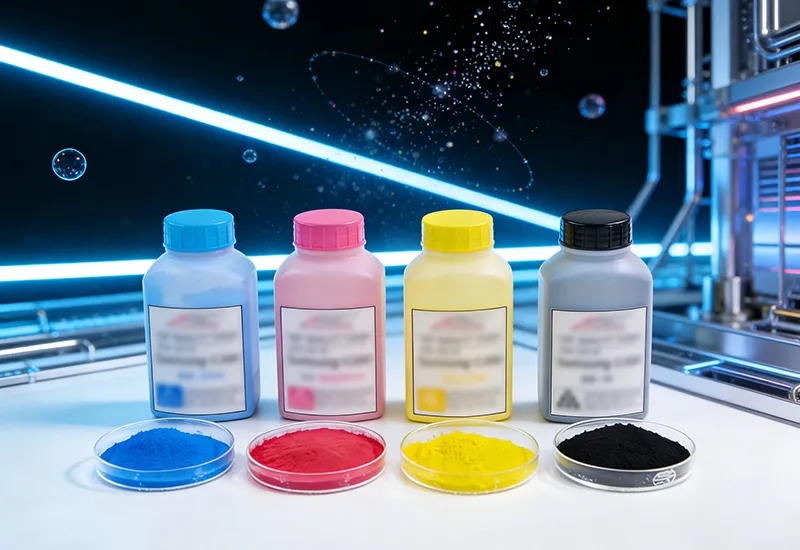
ผู้ผลิตผงหมึกพิมพ์คุณภาพดีไม่ได้ถูกกำหนดด้วยสโลแกนหรือคำกล่าวอ้างที่กว้างๆ แต่จะถูกกำหนดด้วยว่าผงหมึกนั้นสามารถรักษาความสมดุลของอนุภาค ความแข็งแรงในการยึดเกาะ และความสะอาดของงานพิมพ์ได้อย่างคงที่เมื่อใช้งานจริง ความสม่ำเสมอเช่นนี้เองที่ทำให้ผลิตภัณฑ์ตลับหมึกพิมพ์สำหรับเครื่องถ่ายเอกสารและเครื่องพิมพ์มีคุณค่าในระยะยาว
สำหรับผู้ซื้อที่ต้องการมากกว่าแค่ตัวอย่างผลิตภัณฑ์ระยะสั้น ASC TONER มีประโยชน์เพราะเชื่อมโยงการควบคุมผงหมึก ตัวเลือกตลับหมึกสำเร็จรูป และการสนับสนุนทางเทคนิคเข้าไว้ด้วยกันในรูปแบบการจัดหาที่ใช้งานได้จริง หากเป้าหมายคือผลลัพธ์ที่สะอาดกว่าและปัญหาที่ไม่คาดคิด การเปรียบเทียบสูตร พฤติกรรมการทดสอบ และเส้นทางการสนับสนุนเข้าด้วยกันจึงเป็นวิธีที่ดีที่สุด
เพื่อประเมินว่ารุ่นใดเหมาะสมที่สุดสำหรับกลุ่มยานพาหนะของคุณ ติดต่อ ASC TONER และปรับตัวอย่างให้สอดคล้องกับเครื่องจักร ปริมาณงาน และมาตรฐานการพิมพ์ที่คุณใช้งานจริง
A: มันมีผลต่อลักษณะการสร้างภาพ ความคมชัดของพื้นหลัง และการยึดเกาะของหมึกพิมพ์กับกระดาษ เมื่อผงหมึกมีความเสถียร ภาพที่ได้จะดูหนาแน่นและคมชัดขึ้นเมื่อพิมพ์ซ้ำหลายครั้ง แต่ถ้าไม่เสถียร ผู้ใช้มักจะเห็นภาพเป็นฝ้าสีเทา ภาพไม่ชัด หรือมีคราบผงหมึกหลุดลอก ซึ่งจะแตกต่างกันไปในแต่ละล็อตการผลิต
A: ขนาดของอนุภาคมีผลต่อประจุ การไหล การถ่ายโอน และลักษณะสุดท้ายของหน้ากระดาษ การกระจายตัวที่แน่นกว่ามักจะทำให้ควบคุมผงหมึกได้ง่ายขึ้นและได้ผลลัพธ์ที่สม่ำเสมอมากขึ้นในการใช้งานประจำวัน การกระจายตัวที่กว้างเกินไปอาจทำให้ผลลัพธ์คลาดเคลื่อน โดยเฉพาะอย่างยิ่งเมื่อความชื้น ชนิดกระดาษ หรือการตั้งค่าเครื่องพิมพ์เปลี่ยนแปลง
A: เครื่องถ่ายเอกสารความเร็วสูงต้องการผงหมึกที่ถ่ายโอนได้สะอาด ติดทนเร็ว และคงคุณภาพสม่ำเสมอแม้ใช้งานต่อเนื่องเป็นเวลานาน สูตรของผงหมึกยังต้องทนต่อการกระจายตัวและการสะสมของผงหมึกด้วย ในทางปฏิบัติ นั่นหมายความว่าผงหมึกต้องคงความสมดุลภายใต้ความร้อน ความดัน และการพิมพ์อย่างต่อเนื่อง แทนที่จะดูดีเฉพาะในตัวอย่างสั้นๆ เท่านั้น
A: ทดสอบผงพิมพ์ในเครื่องพิมพ์จริง เปรียบเทียบความหนาแน่นของการพิมพ์และความสะอาดของพื้นหลัง และตรวจสอบลักษณะการพิมพ์หลังจากพิมพ์ซ้ำหลายหน้า นอกจากนี้ยังช่วยในการตรวจสอบการควบคุมในห้องปฏิบัติการ ความเสถียรต่อสภาพแวดล้อม และความเหมาะสมของผลิตภัณฑ์กับปริมาณงานจริงด้วย