 автор
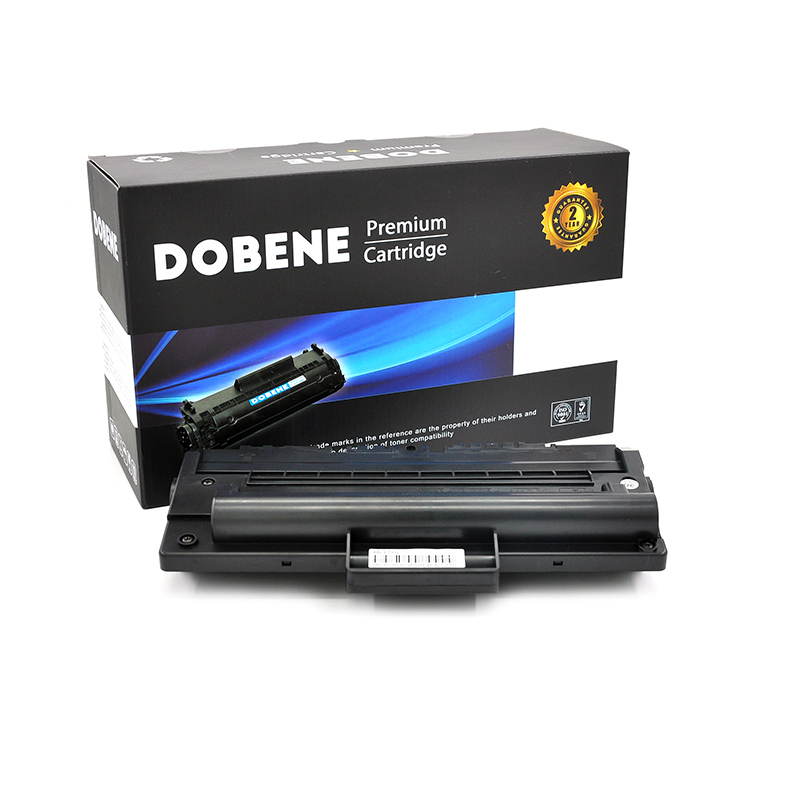
A compatible toner cartridge can be the better business choice when it matches the exact printer or copier, holds print quality steady, and fits the team’s maintenance routine. An OEM cartridge may suit organizations that want one equipment maker’s established supply path, but compatibility and application testing matter more than the label alone. The right decision depends on device fit, document coverage, output expectations, and how quality problems are handled. Review ASC TONER compatible toner categories when you need to compare printer and copier applications by equipment family.
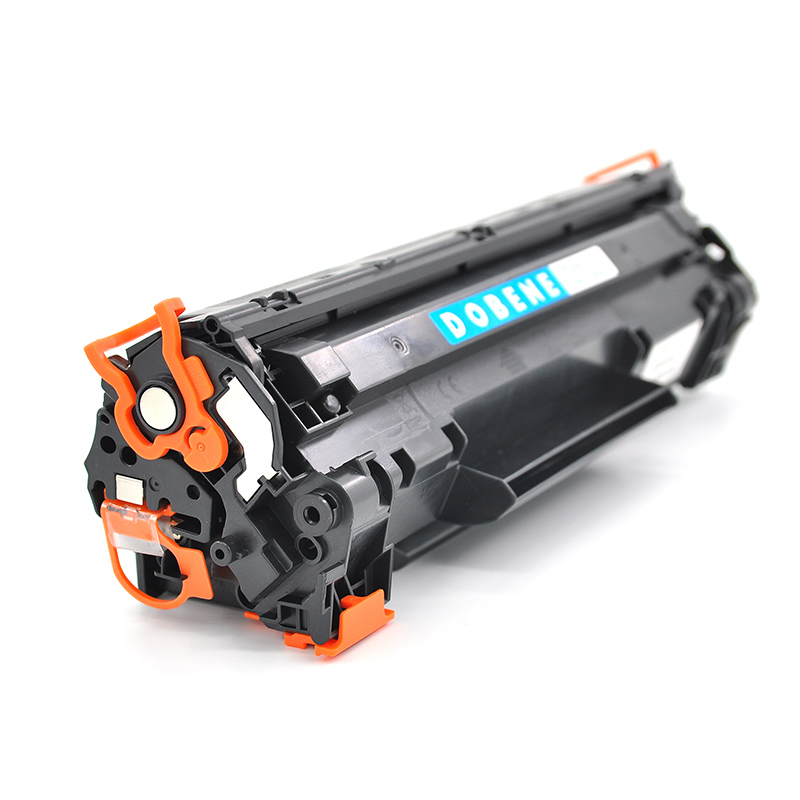
An OEM toner cartridge is supplied through the original equipment maker’s product system. A compatible toner cartridge is developed for use with a particular printer or copier family by another manufacturer. Both formats still depend on the same practical questions: will the cartridge fit, will toner transfer cleanly, will it fuse correctly, and will the output remain stable during the work the machine actually performs?
A cartridge should be matched by model series, cartridge structure, chip or recognition system where applicable, toner delivery path, and fuser conditions. A part that looks similar can still produce weak density, background gray, leakage, or poor fixing if it is designed for a different imaging system. This is especially important when one business operates desktop printers alongside higher-volume copiers.
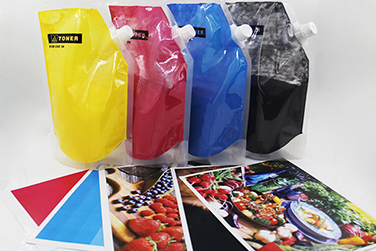
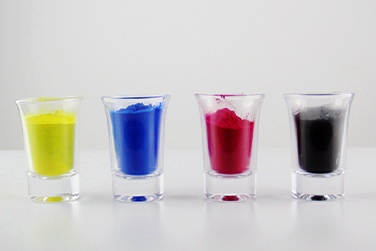
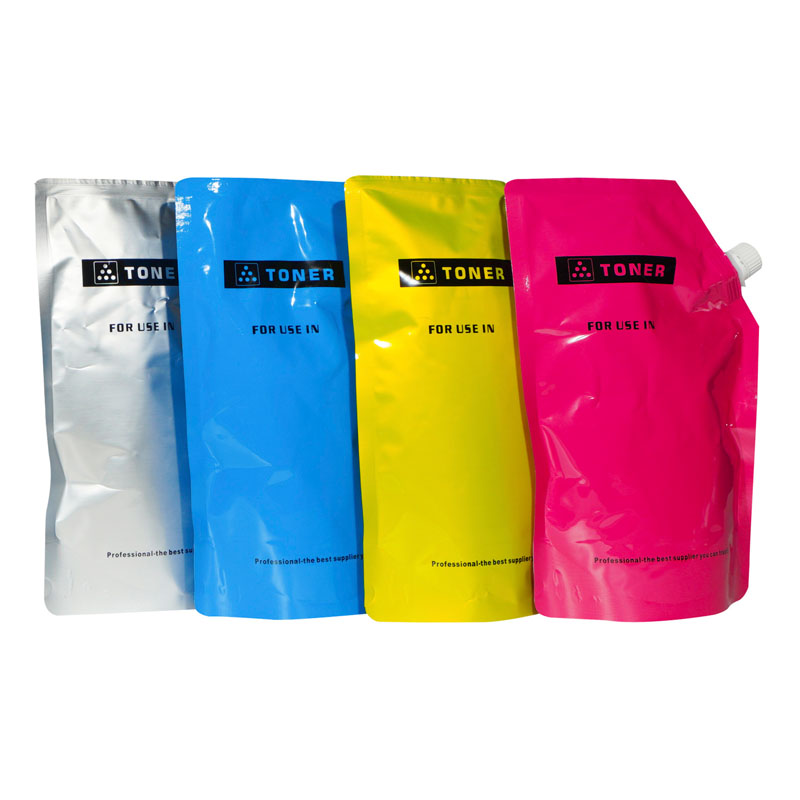
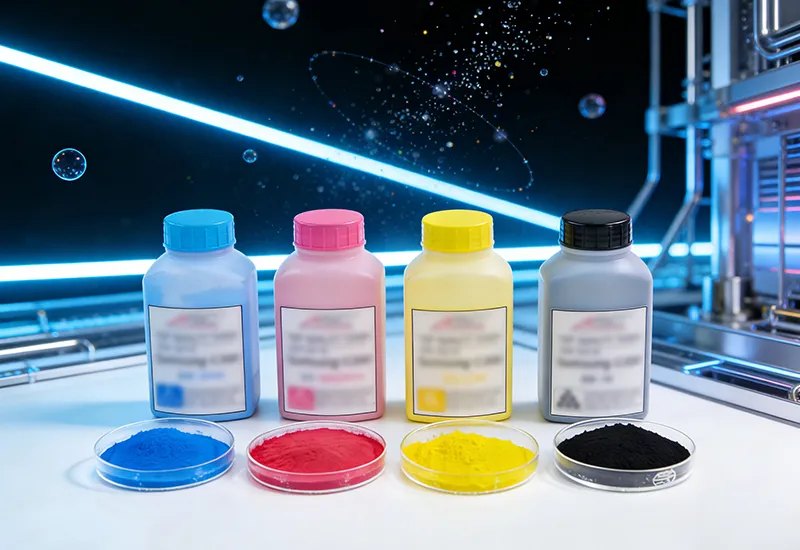
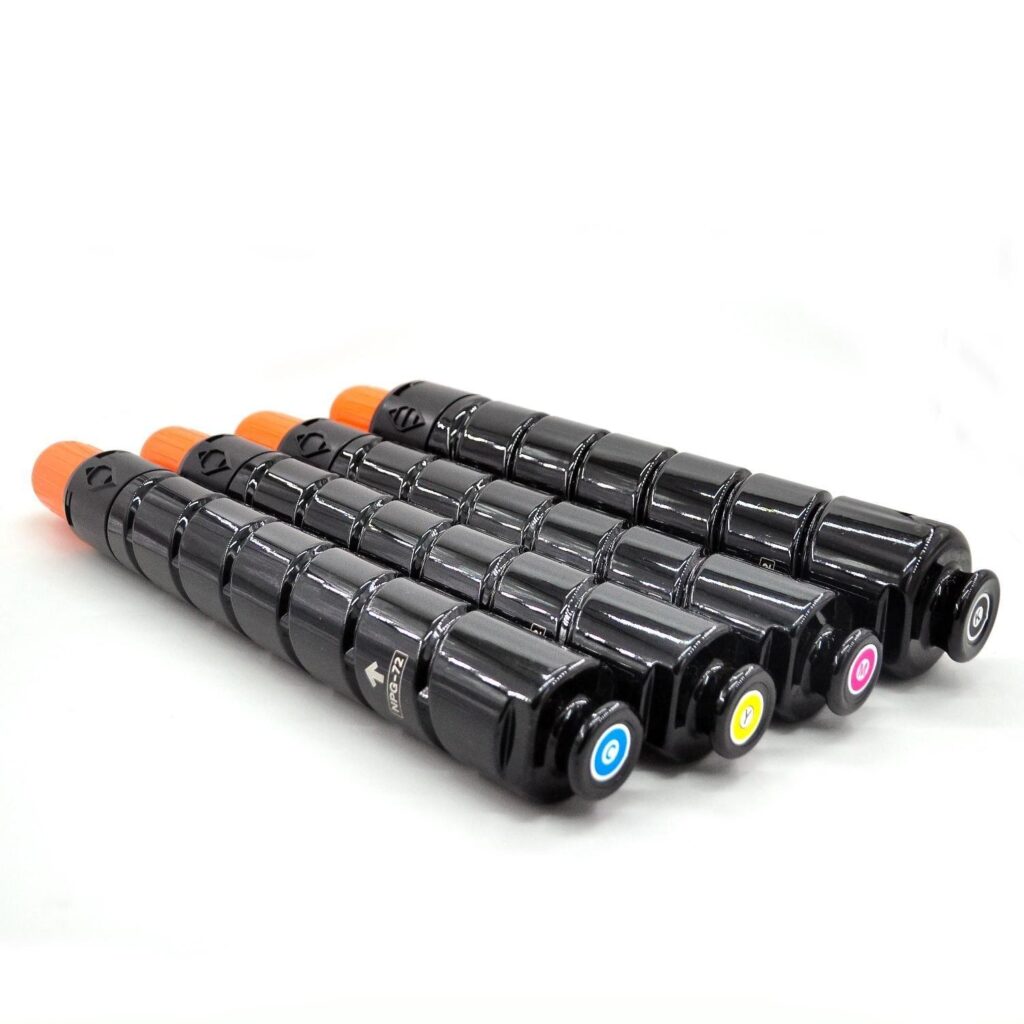
ASC TONER organizes products around color toner, printer toner, copier toner, color toner cartridges, printer toner cartridges, and copier toner cartridges. That structure reflects a useful selection habit: start with the equipment family, then narrow the decision by color, cartridge format, and expected workload.
Some offices value a direct replacement process that follows an existing equipment policy. When operators already use one service channel, one approved parts list, or one internal maintenance procedure, the familiar OEM route may be easier to administer. That convenience can matter when the priority is operational consistency rather than evaluating several compatible options.
Even then, the cartridge should be judged by the pages it produces. Text should remain clear, color areas should look even, backgrounds should stay clean, and toner should resist rubbing after the page leaves the fuser. A familiar name does not remove the need to check the device condition, paper, coverage, and replacement timing.
OEM products can also fit workplaces that have fixed service documentation or equipment agreements. The important point is to separate a policy preference from a print-quality conclusion. A business may choose OEM for administrative reasons while still using the same visual and mechanical checks it would apply to any compatible toner cartridge.
A compatible toner cartridge becomes attractive when the product is engineered around the target device and supported by clear application information. ASC TONER provides compatible directions for HP, Samsung, Brother, Canon, Ricoh, Konica Minolta, Toshiba, Kyocera, and Xerox equipment categories. The exact model still needs confirmation, because a brand-level match is only the starting point.
A mixed fleet should be grouped by actual machine family instead of being treated as one universal toner program. Printer toner cartridge requirements can differ from copier toner cartridge requirements, while color equipment can place different demands on transfer, fusing, and image density than monochrome equipment. This grouping makes later troubleshooting easier because each result is tied to a defined application.
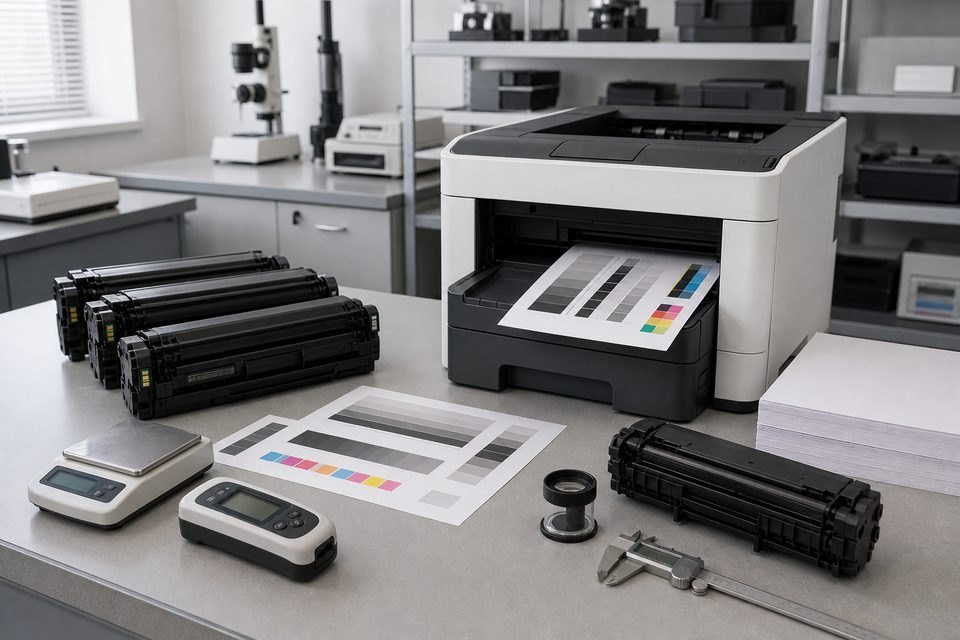
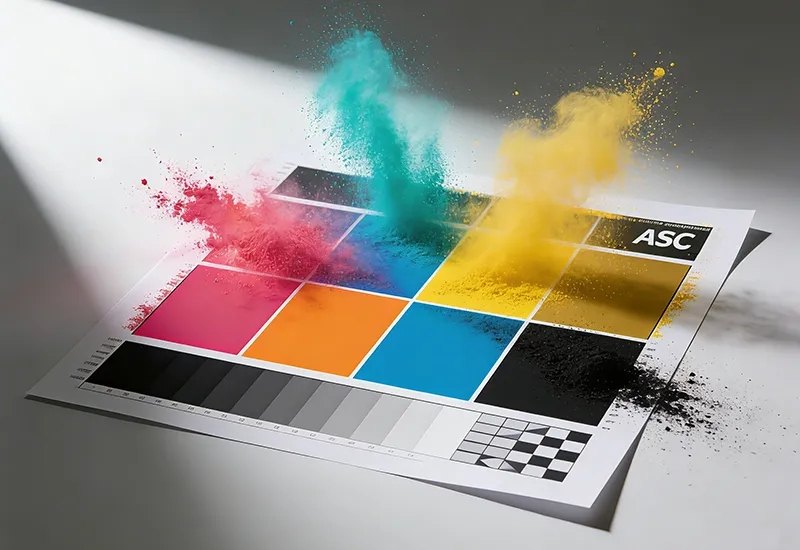
The first approval test should use normal business pages rather than an isolated color patch. Check fine text, solid areas, charts, light backgrounds, and repeated pages. Image density shows whether content looks strong enough, background control reveals unwanted toner in non-image areas, and fusing shows whether the printed surface can withstand routine handling.
A compatible cartridge is useful only when it reduces avoidable interruptions. Reprints, cleaning cycles, service calls, and early replacement can erase the apparent saving from a lower unit price. Comparing the complete workflow gives a more honest result than comparing cartridge prices alone.
Repeatability matters in offices, copy rooms, schools, and print-service environments. Run the same file several times and compare the first page with later pages after the machine reaches its normal operating condition. Changes in density, color balance, background, or fixing may indicate a mismatch between the toner, cartridge, paper, and device settings.
A useful quality program keeps a reference sample and records the machine, paper, settings, and visible result. ASC TONER’s quality approach includes inspection of image density, background, and fusing, together with compatibility testing and retained-sample review. That gives technical teams a clearer basis for comparing a replacement batch with an approved result.
The meaningful cost is the cost of usable pages. A cartridge that prints cleanly, transfers efficiently, and stays stable through routine runs can reduce rework even when its unit price is not the lowest available. This is why compatible toner cartridge selection should include coverage, paper, maintenance time, and the value of uninterrupted output.
ASC TONER fits businesses that need a compatible toner cartridge program across printer and copier applications. Its product categories cover color toner and finished cartridges as well as printer and copier toner directions, allowing the selection process to stay connected to the equipment already in service.
The brand’s technical focus also supports practical discussions about particle control, charge behavior, transfer, fusing, and batch consistency. For a service team, that means a cartridge can be assessed through the actual print symptoms that operators see, rather than through a general promise of compatibility.
Ознакомьтесь с вариантами цветных картриджей с тонером ASC TONER. when color output and device-specific cartridge matching are central to the decision.
The better choice between OEM and compatible supplies is the one that fits the device, the print workload, and the quality-control routine. An OEM cartridge may suit a fixed service policy, while a compatible toner cartridge can make sense when model matching, testing, and batch consistency are handled carefully. ASC TONER brings those selection needs together across printer and copier product categories.
Contact ASC TONER for compatible toner cartridge guidance and align the product format with the equipment, paper, and output standard your business uses every day.
A: They can be a practical choice when the cartridge is matched to the exact printer model and tested for density, background, transfer, and fusing. Business users should evaluate repeated normal pages, not only one sample sheet. The result also depends on paper, device condition, coverage, and maintenance habits.
A: Some products are designed for related models, but a general visual match is not enough. The cartridge structure, recognition system, toner behavior, and fuser conditions must suit the target devices. Grouping machines by brand and series helps prevent a cartridge that works in one model from being used in an unsuitable model.
A: Use the same printer or copier, paper, file, and operating settings for both tests. Compare text density, solid color areas, background cleanliness, fixing, transfer, and repeat output after warm-up. A fair comparison also records reprints, cleaning needs, and replacement intervals instead of focusing only on the cartridge price.
A: ASC TONER offers compatible color, printer, and copier toner cartridges for multiple equipment families. Selection can be organized around HP, Samsung, Brother, Canon, Ricoh, Konica Minolta, Toshiba, Kyocera, and Xerox applications, subject to exact model matching and print requirements.