 Autor
Bulk toner can arrive in good condition and deteriorate through poor warehouse handling. Moisture exposure, damaged packaging and uncontrolled repacking can complicate print-quality investigations later. A distributor needs a storage plan tied to the supplier’s product label and local warehouse conditions, plus a record of exceptions. This is more reliable than copying a universal humidity value that may not apply to every toner formulation or package.
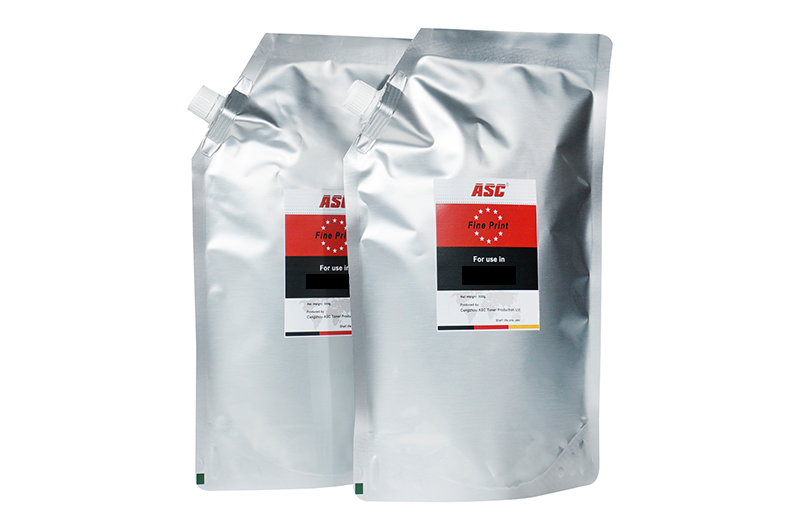
Bei ASC, we supply toner powder and compatible toner cartridges for printers and copiers, including color and monochrome applications. Our range covers equipment from brands such as HP, Canon, Ricoh and Konica Minolta. When planning a bulk order, packaging and warehouse handling deserve attention alongside model compatibility: the product needs to remain protected throughout storage, picking and delivery.

Start with the actual packaging and product guidance. A sealed bottle, bag or cartridge has different exposure points from powder transferred between containers. Record the supplier’s stated storage conditions, shelf-life or handling instructions for each SKU. If a condition is missing, ask before opening stock to make a trial rule.
Separate bulk storage from a small working area used for picking or inspection. Long-term stock should stay protected from direct sun, water, floor dampness and damage from other pallets. The warehouse map should make it easy to identify stock that has crossed a wet or hot zone. A written exception rule tells staff when a carton must be held rather than shipped.
Log warehouse temperature and relative humidity at representative positions, along with the date and sensor location. Pay attention to loading doors, exterior walls and upper racks where conditions may differ. A single reading at the office desk says little about the stock. Record any roof leak, condensation event or climate-control outage and the pallets affected.
Use the supplier’s approved limits to decide actions. If there are no stated limits for a specific product, do not invent one in the receiving form. Mark the question for technical confirmation. Keep cartons off the floor on suitable pallets, and protect packaging from crushing that might compromise a seal.
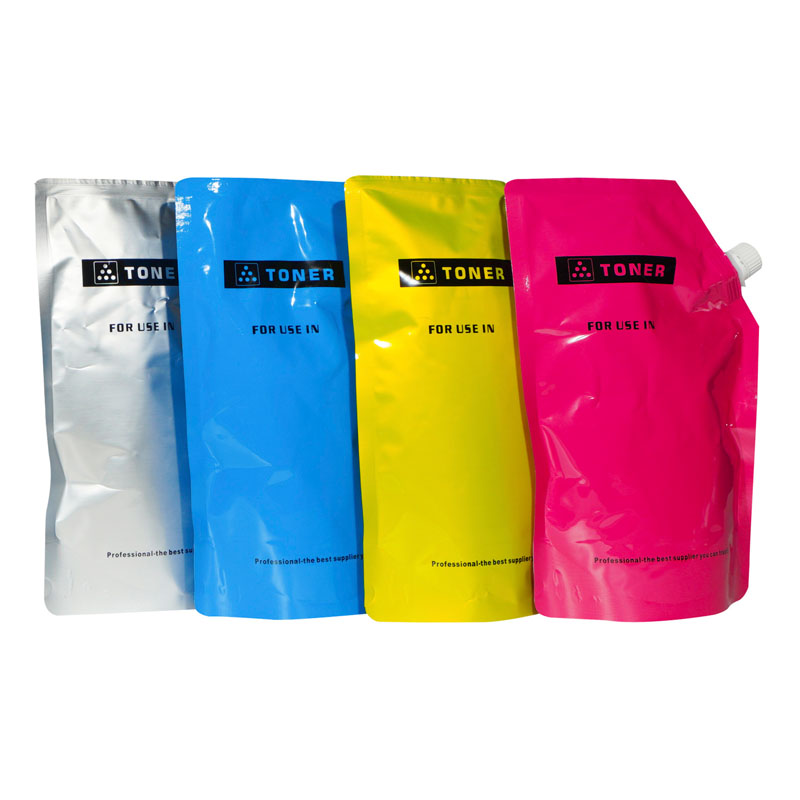
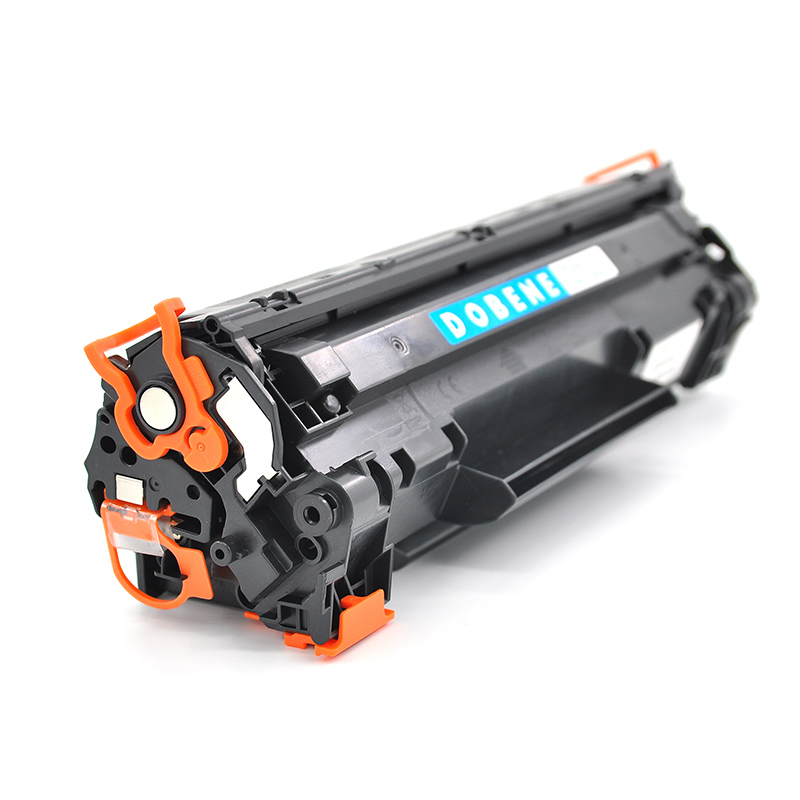
Our color toner provides a useful reference for this check; confirm the final configuration against the project specification.
At receiving, check carton integrity, product code, label and quantity before putting stock away. Photograph damaged seals and record shipment and lot information. Move stock with equipment that does not pierce bags or crack bottles. Rotate according to the supplier’s date coding and contract terms, while keeping returned or suspect stock segregated.
When a package is opened for a sample, label the date, handler and remaining quantity. Use approved containers and clean tools if transfer is required; do not mix unidentified powder or lots. Keep food, cleaning chemicals and loose paper away from the work area. A small handling log can later separate a manufacturing issue from warehouse exposure.
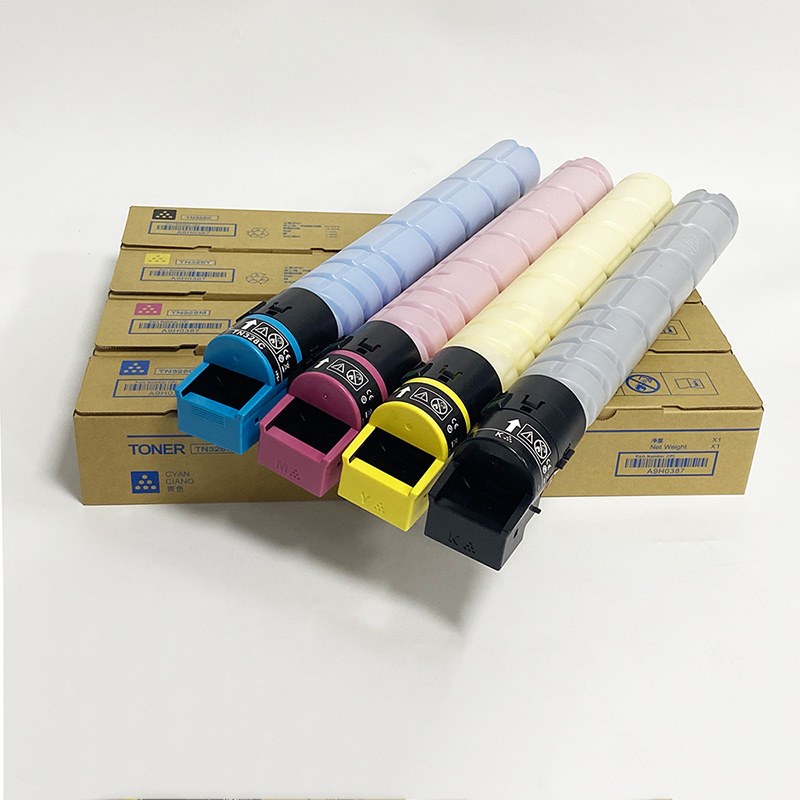
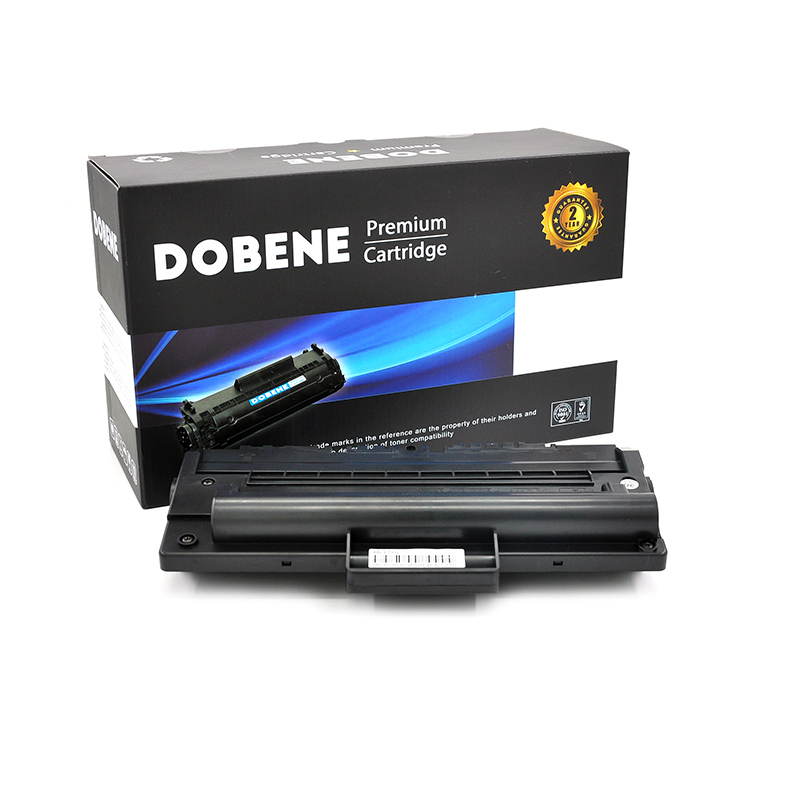
The Kopierertoner provides a useful reference for this check; confirm the final configuration against the project specification.
Before a stored lot is released, review exception records and inspect its packaging again. If a carton was wet, unsealed or exposed beyond a supplier limit, hold it for technical evaluation. For a trial, use a compatible device in known condition and retain the test sheet and print sample. Do not treat one successful page as proof that an entire suspect lot is acceptable.
The release decision should name the person who checked the lot and any conditions attached to it. Store the trial outcome beside the receiving and climate records. If print defects appear later, that chain of evidence helps the supplier and service team investigate without guessing about where the powder was stored.
Imagine a pallet received after heavy rain with one damp outer carton. The receiving clerk photographs the carton, records the shipment and lot, and puts it in a clearly marked hold area. The inner packages are inspected only under the supplier’s handling guidance. Meanwhile, unaffected cartons from the same shipment remain traceable but are not automatically treated as damaged. The warehouse notes the loading-door condition and reviews whether other pallets were exposed. If the supplier authorizes a trial print, the team records the exact unit, machine and result; it does not return the pallet to stock merely because a single page looks acceptable. This response is proportionate to the evidence. It also prevents an undocumented ‘dry it and ship it’ decision from making a later print complaint impossible to investigate.
Use a single observation sheet for this trial. Its core fields are SKU, lot, shipment, package condition, shelf position, warehouse reading, exposure event, disposition and release approver. The person making the observation should record the condition at the time, not reconstruct it from memory after the event. If a value is unavailable or a check could not be run, mark that field as pending and identify who will close it. Attach photographs or instrument files by their IDs, and retain the original version when a corrective action leads to a retest. This keeps the final decision auditable without turning the working checklist into a long narrative.
Only in an approved, labeled container and for the period allowed by the product instructions. An open carton around sealed units is a different case from exposed powder.
No. A damaged seal, condensation or a punctured inner package can still expose the product. Inspect both outer and inner protection.
Follow the product supplier guidance and document the time and condition. Avoid opening a cold package where condensation could form.
Segregate it, photograph damage, record shipment and lot data, and ask the supplier for a disposition before mixing it with saleable stock.
Share the toner SKU, packaging type, label instructions, warehouse conditions and any affected lot records. Ask the supplier which limits and checks apply to that exact product. A useful stock review combines storage history, package condition and a controlled print trial. Keep the approved handling rule beside the picking station so it is applied consistently across shifts.
Send the project brief with the records described above, so the discussion starts from actual conditions.